
Captured Conversations. Lasting Impact.
- Prelude
- Day 1
- Day 2
- Day 3
On the Eve of Maadhyam ADR Conference 2026: International Dignitaries Visit Delhi High Court and ‘Samadhan’ Mediation Centre
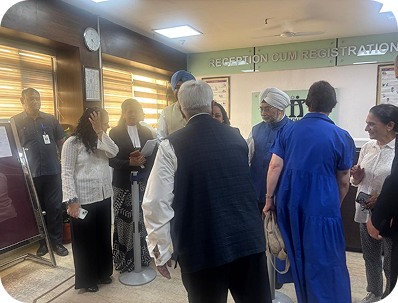
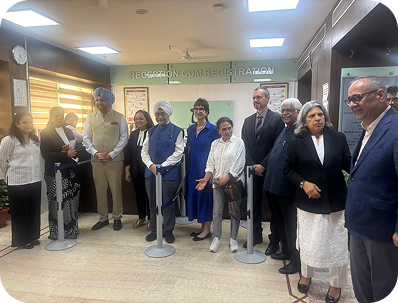
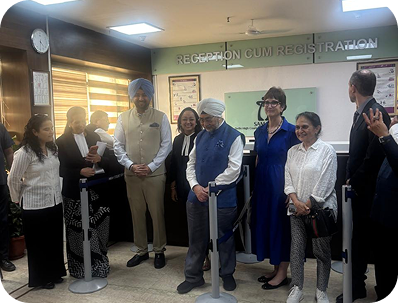
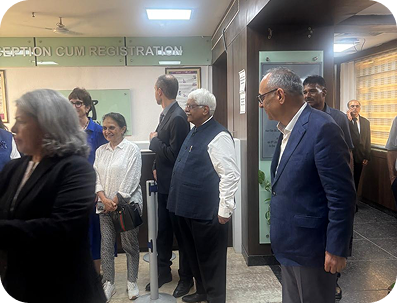
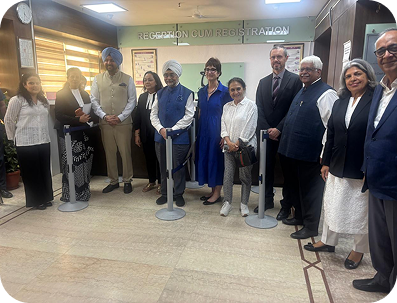
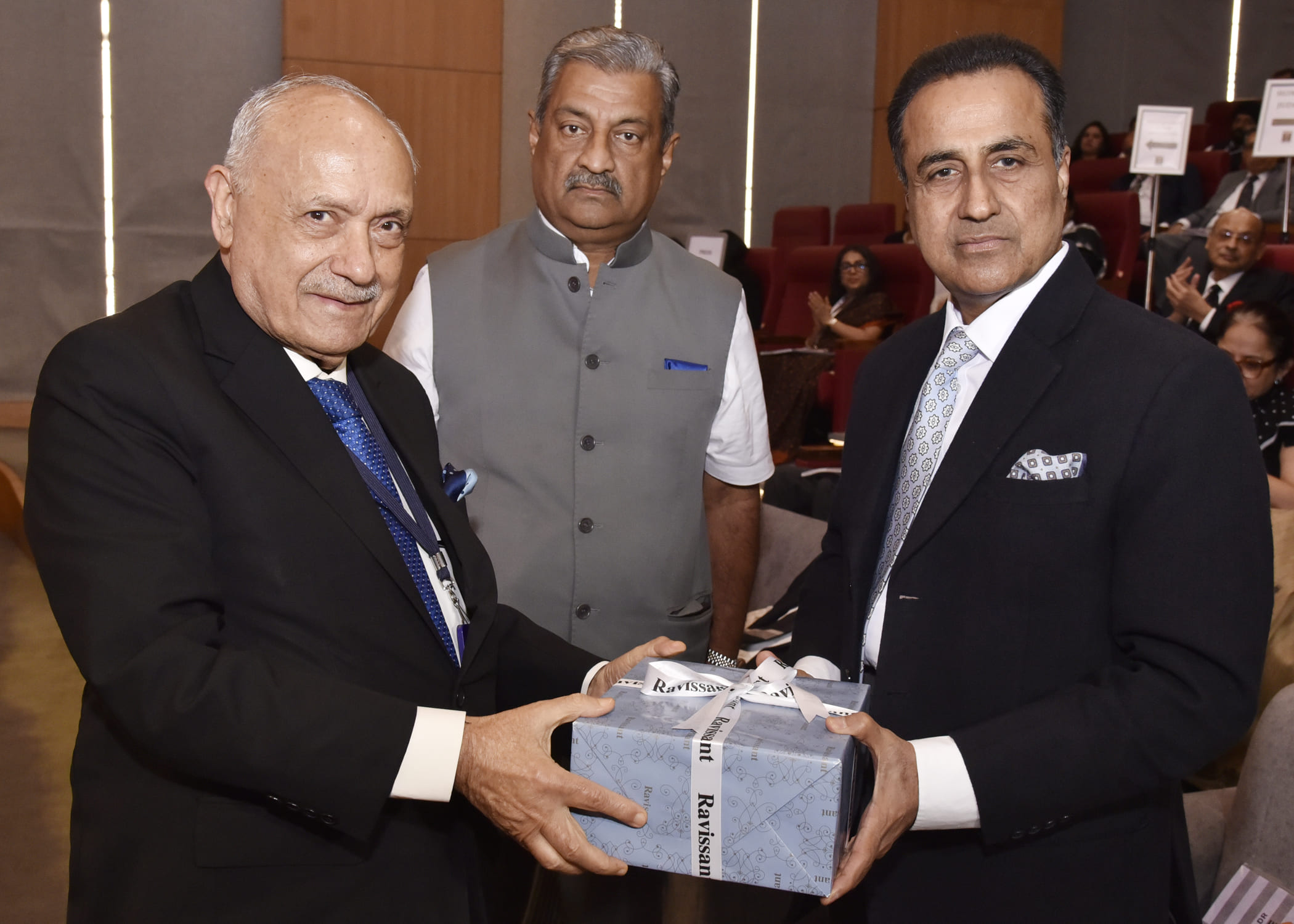
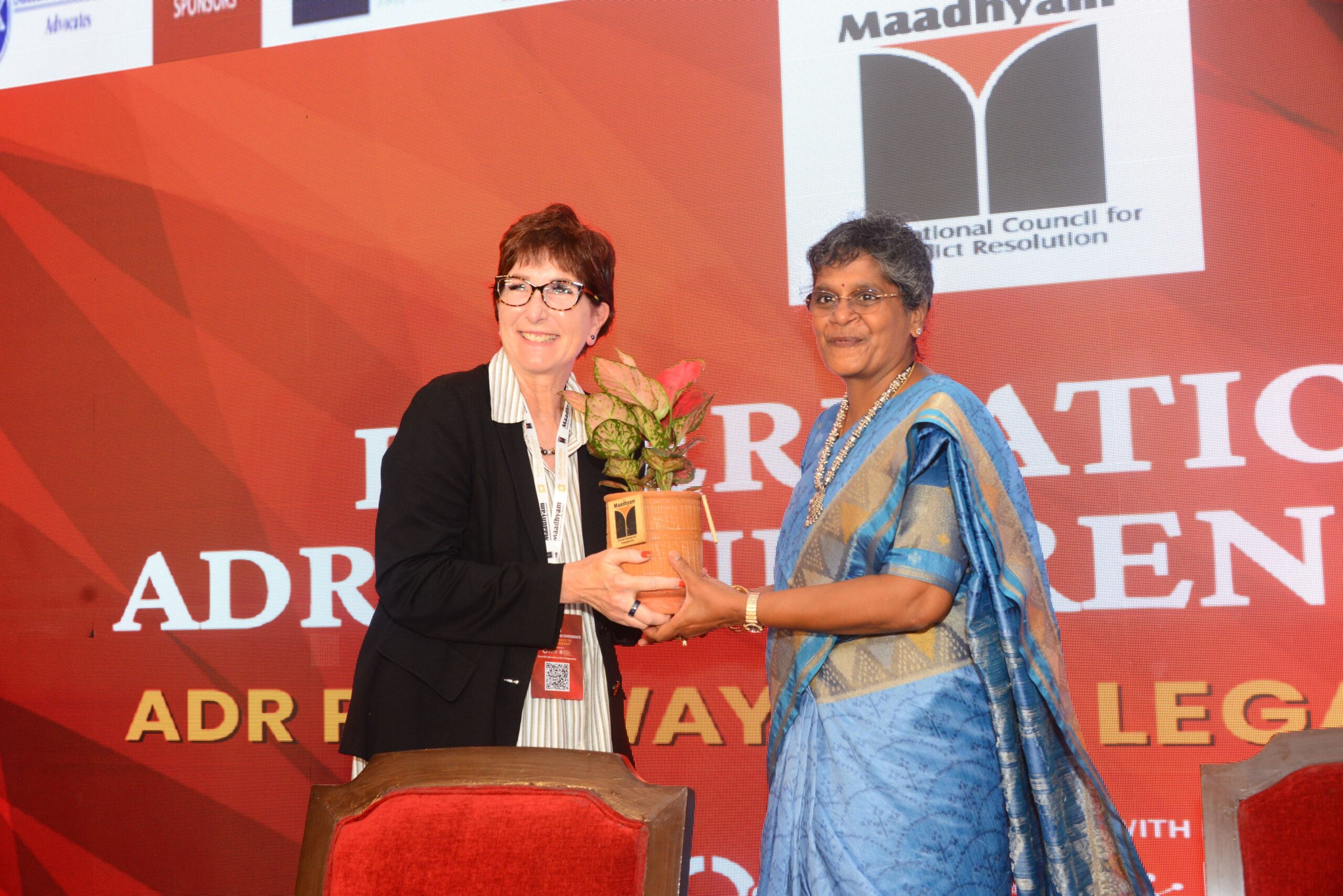
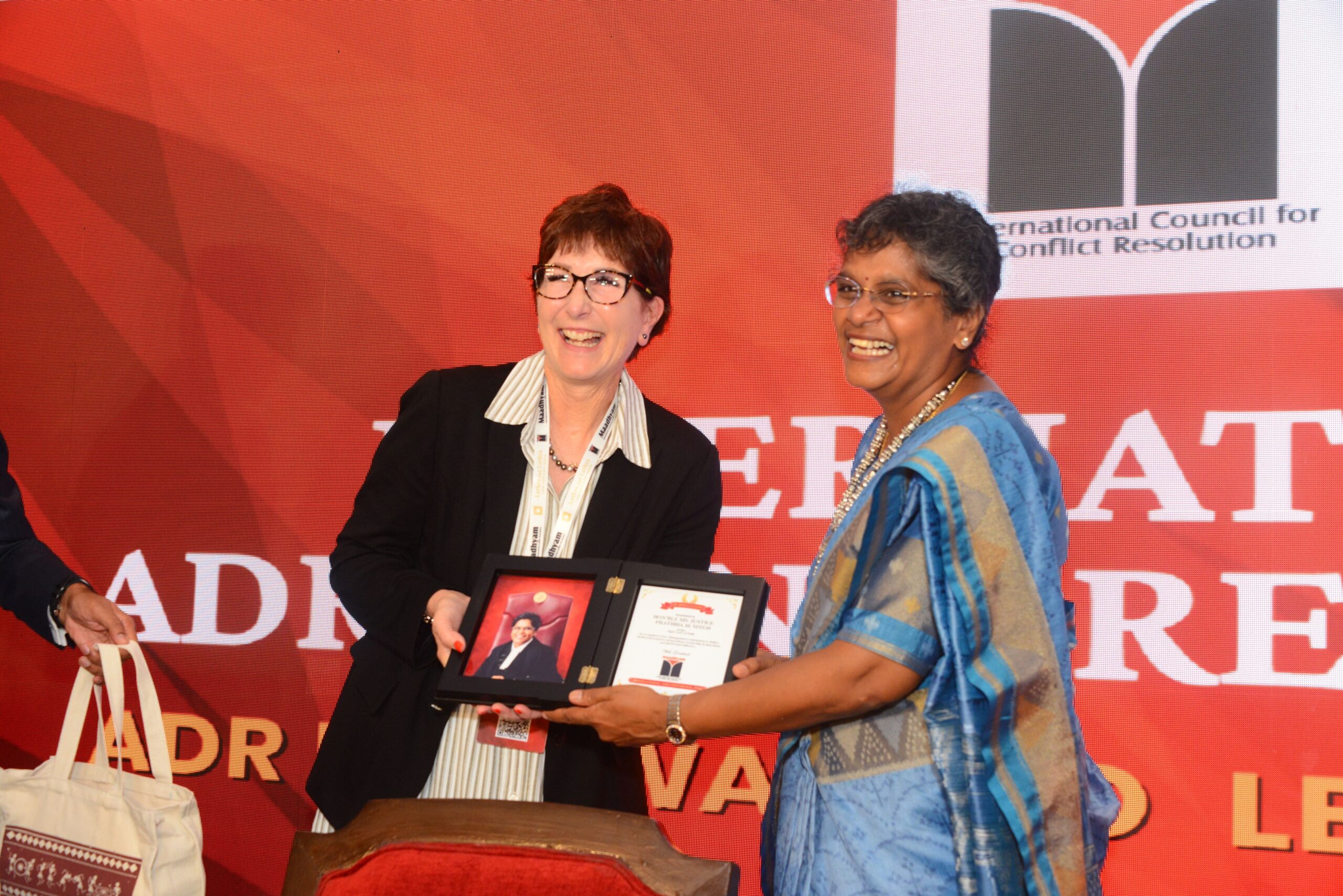
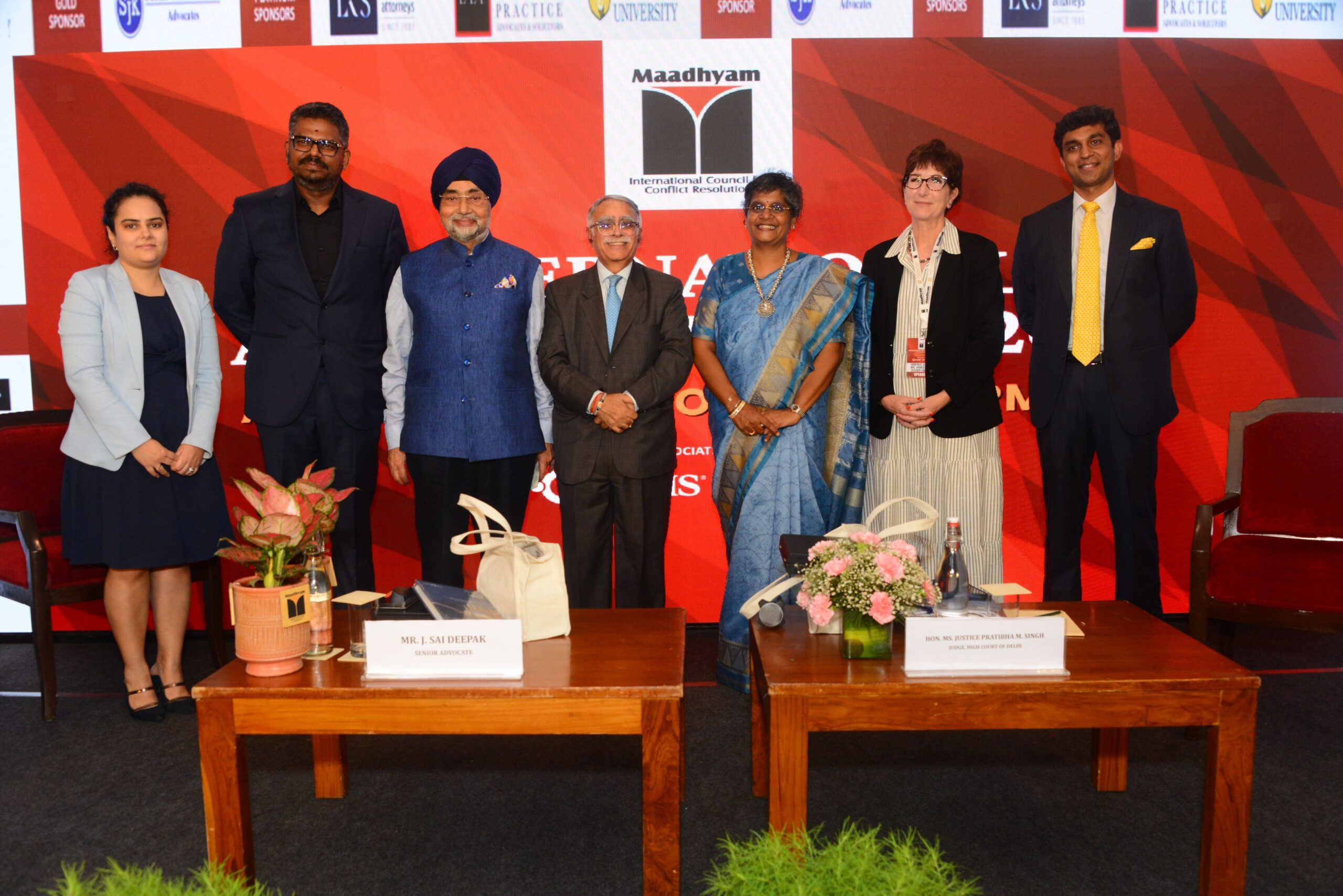
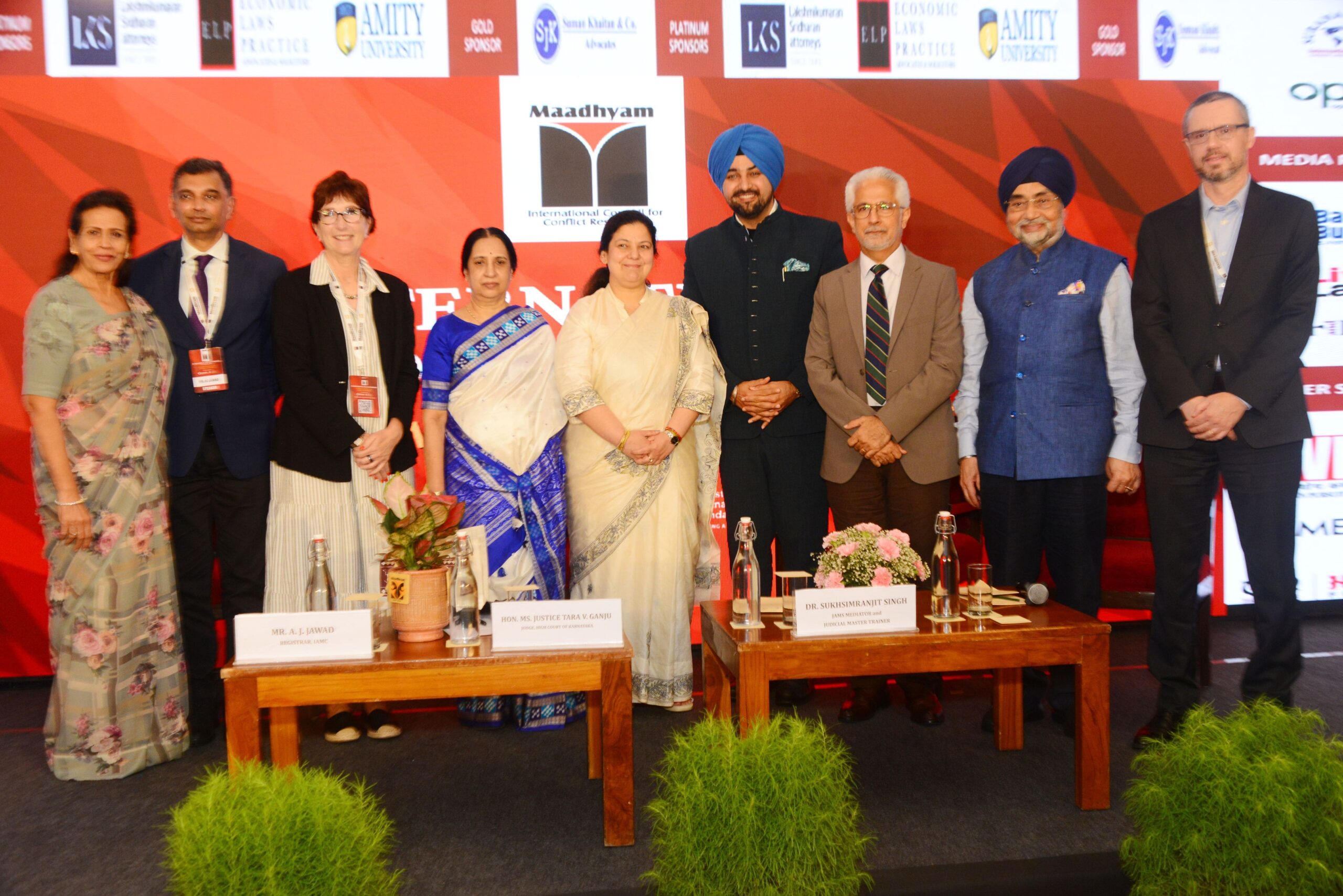
As a prelude to the much-anticipated Maadhyam ADR Conference 2026: ADR Pathways to Legal Harmony, scheduled from 7th to 9th August in New Delhi, a distinguished group of international dignitaries visited the Delhi High Court and its renowned mediation centre, Samadhan, on 5th August 2026.
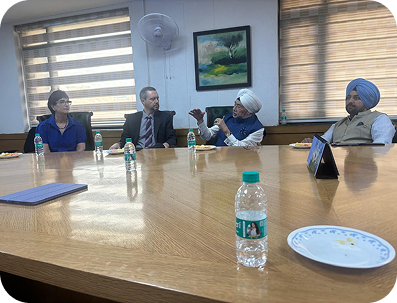
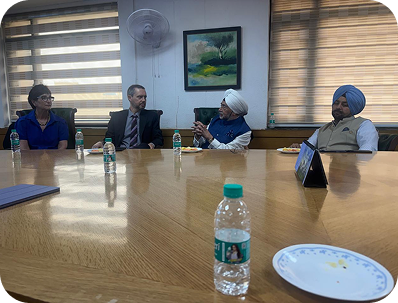
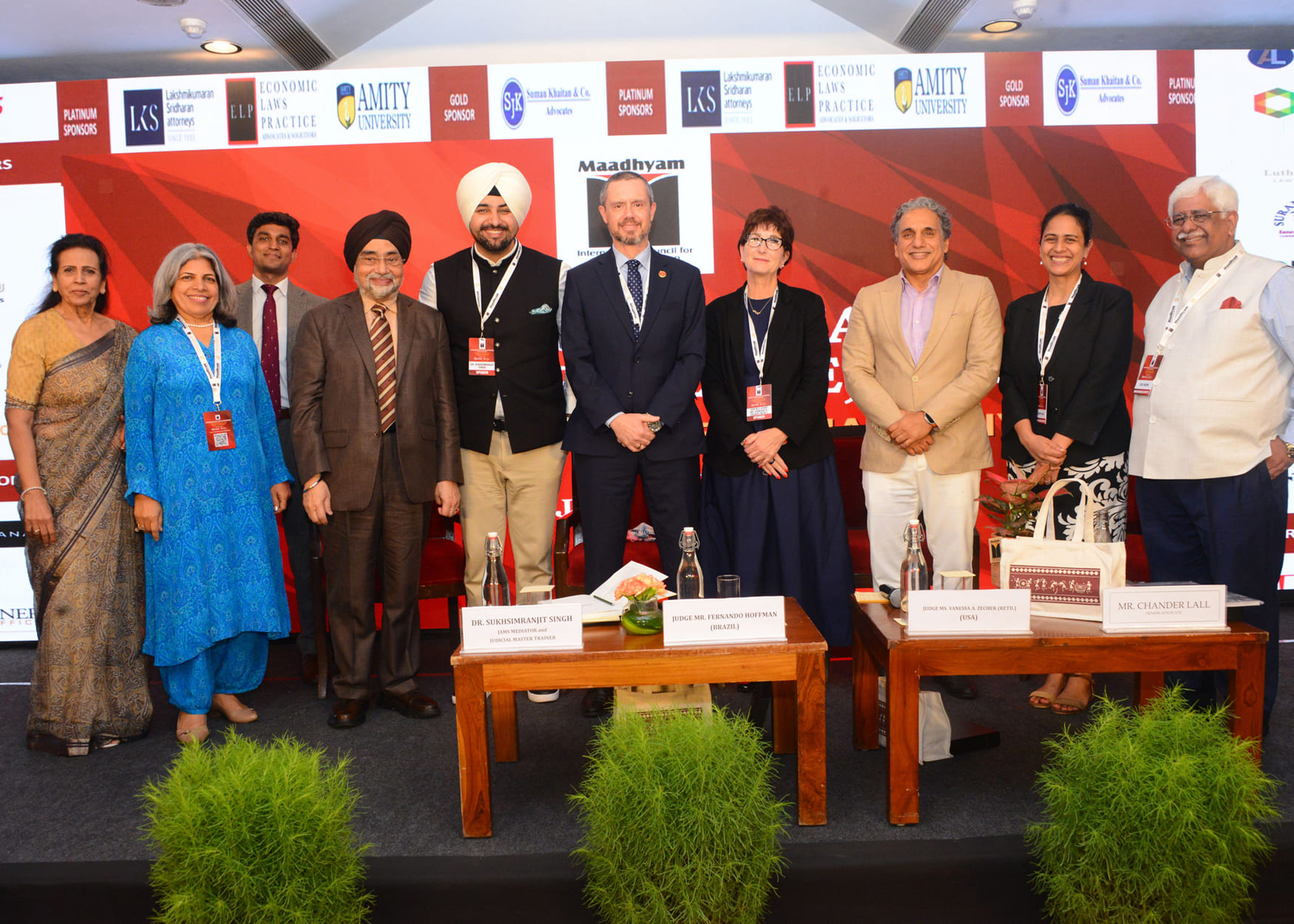
The visiting delegation, comprising Mr. Sukhsimranjit Singh, Judge Fernando Hoffmann, and Judge Vanessa Zecher, was warmly received by Senior Advocate Amarjit Singh Chandhiok, President of Maadhyam, along with other esteemed members of the Maadhyam community.
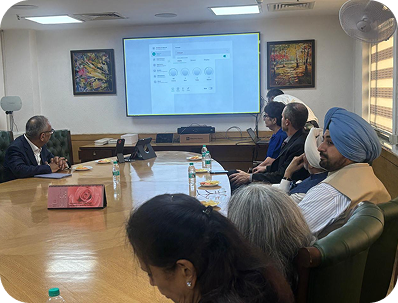
During their visit, the dignitaries were taken on a guided tour of the Delhi High Court premises, followed by an in-depth visit to Samadhan, the court-annexed mediation centre known for its state-of-the-art infrastructure and progressive approach to dispute resolution. The delegation interacted with mediators and observed live mediation proceedings, gaining valuable insights into the functioning and effectiveness of mediation within the Indian judicial framework.
The visitors expressed deep appreciation for the advanced facilities and the structured processes in place at Samadhan. They were particularly impressed by the integration of mediation into the judicial system and the proactive role played by Indian courts in promoting Alternative Dispute Resolution (ADR) mechanisms.
Engaging discussions were held between the visiting dignitaries and Maadhyam members—many of whom are trained mediators and practicing advocates—on the growing significance of mediation in reducing litigation and ensuring timely justice. The exchange of experiences highlighted how mediation is increasingly becoming a vital tool in addressing the burden on courts while fostering consensual dispute resolution.
The delegation also acknowledged the efforts of the Indian judiciary and government in strengthening ADR frameworks and building robust infrastructure to support mediation practices across the country.
These distinguished guests are in India to participate in the three-day Maadhyam ADR Conference 2026, which formally commences on 7th August at the S Block Auditorium, Delhi High Court. The conference will bring together leading jurists, practitioners, and experts from across the globe to deliberate on innovative pathways toward legal harmony through ADR.
The visit marks a significant beginning to the conference proceedings, setting the tone for meaningful dialogue, international collaboration, and a shared commitment to advancing mediation and alternative dispute resolution in India and beyond.
Advancing Legal Harmony: CJI Justice Surya Kant Leads Inaugural Session of Maadhyam International ADR Conference 2026
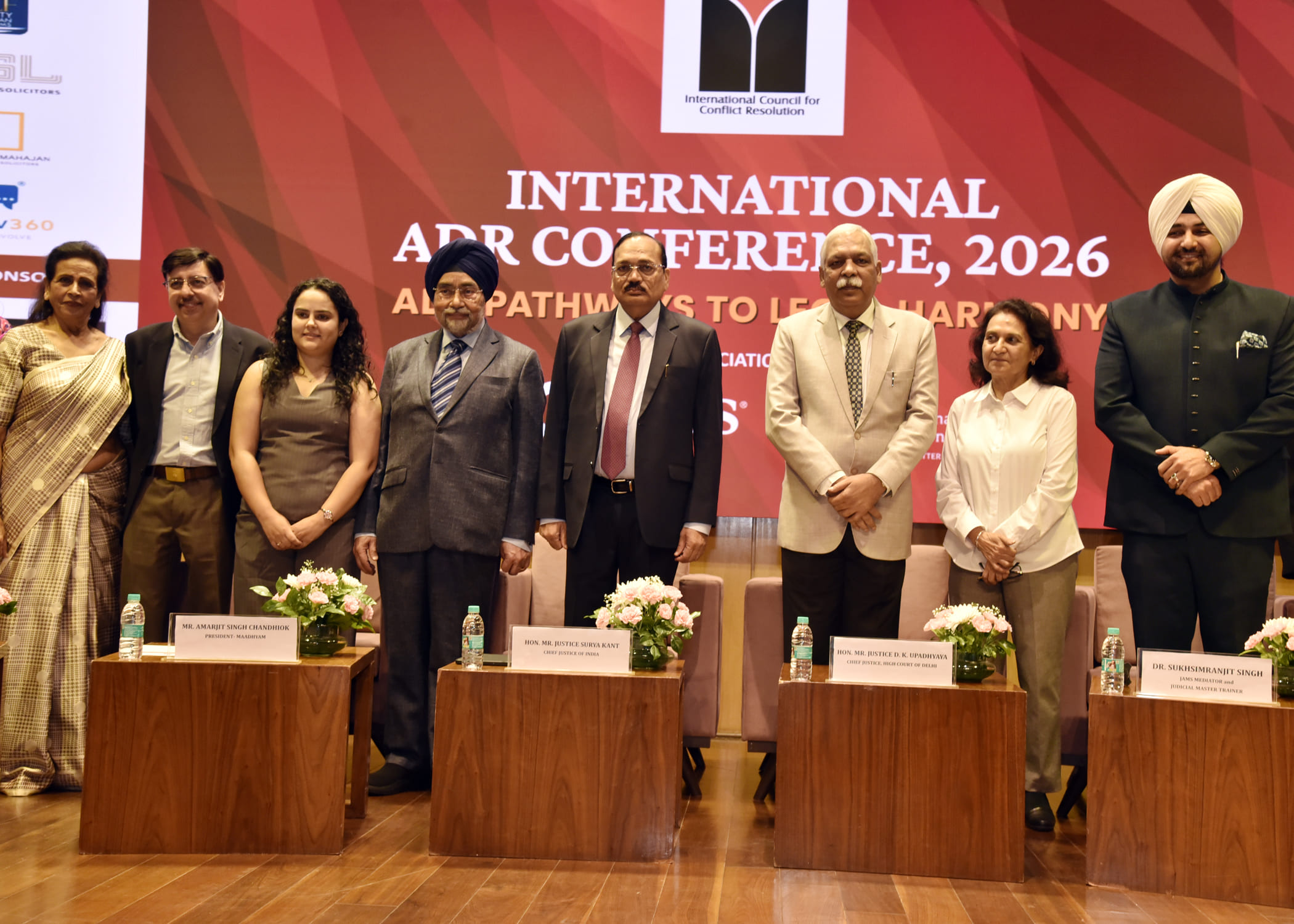
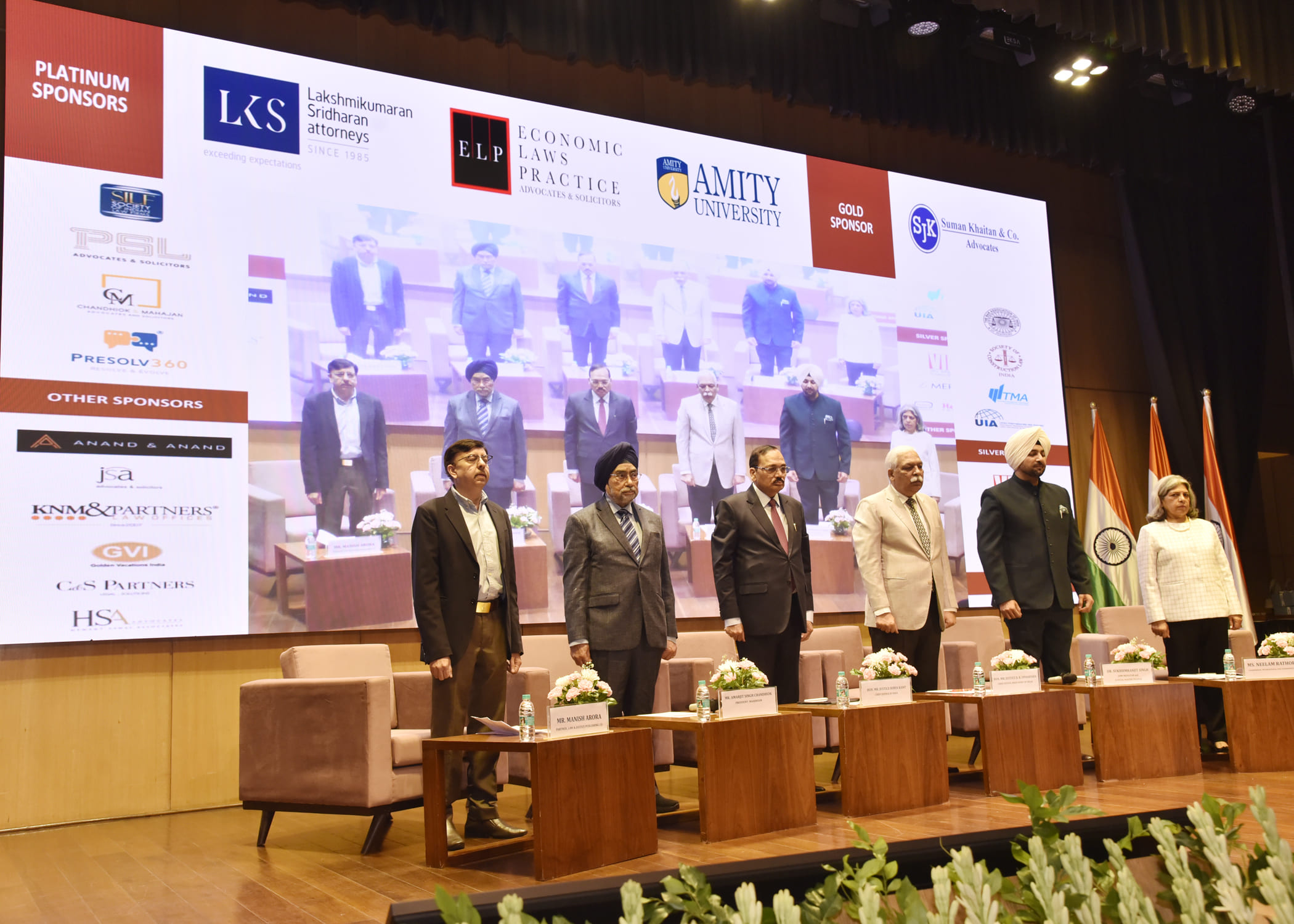
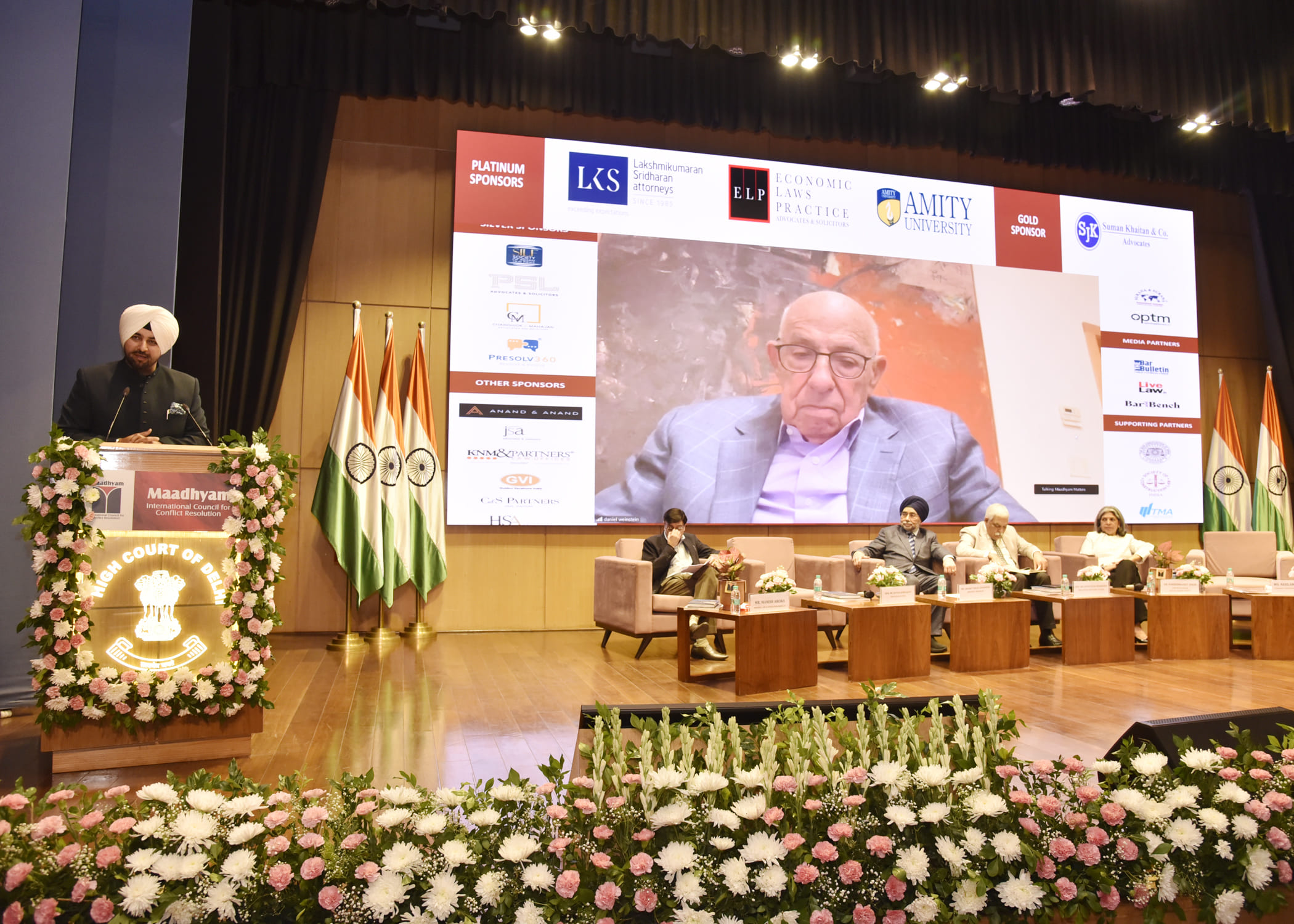
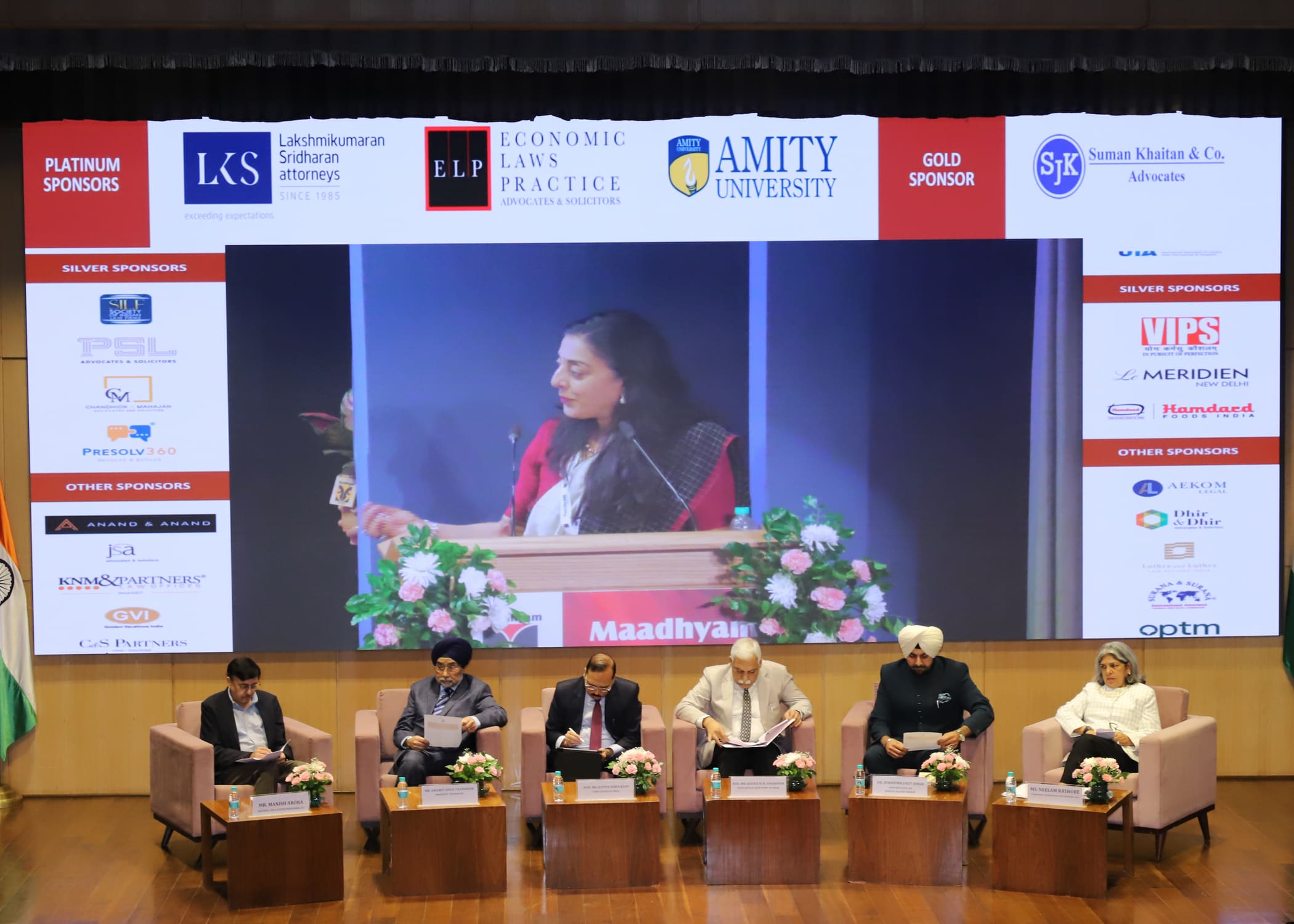
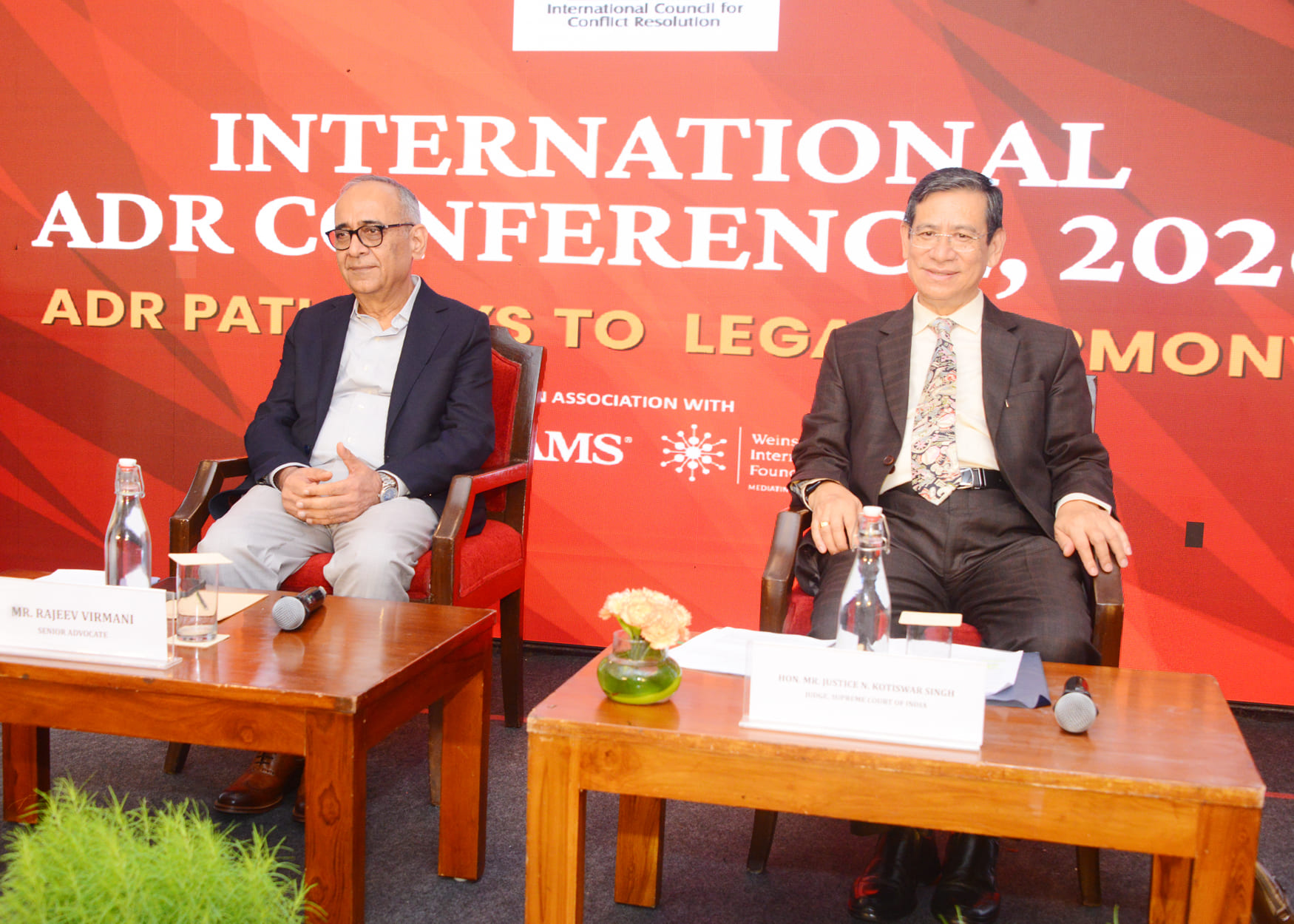
The Maadhyam International Conference 2026, themed “ADR Pathways to Legal Harmony,” commenced with a distinguished inaugural session on 7th August, that brought together leading voices from the judiciary, legal fraternity, and an eminent cohort of international ADR practitioners. The session reflected both the vision and commitment of Maadhyam International Council for Conflict Resolution in advancing dialogue-driven justice systems on a global scale.
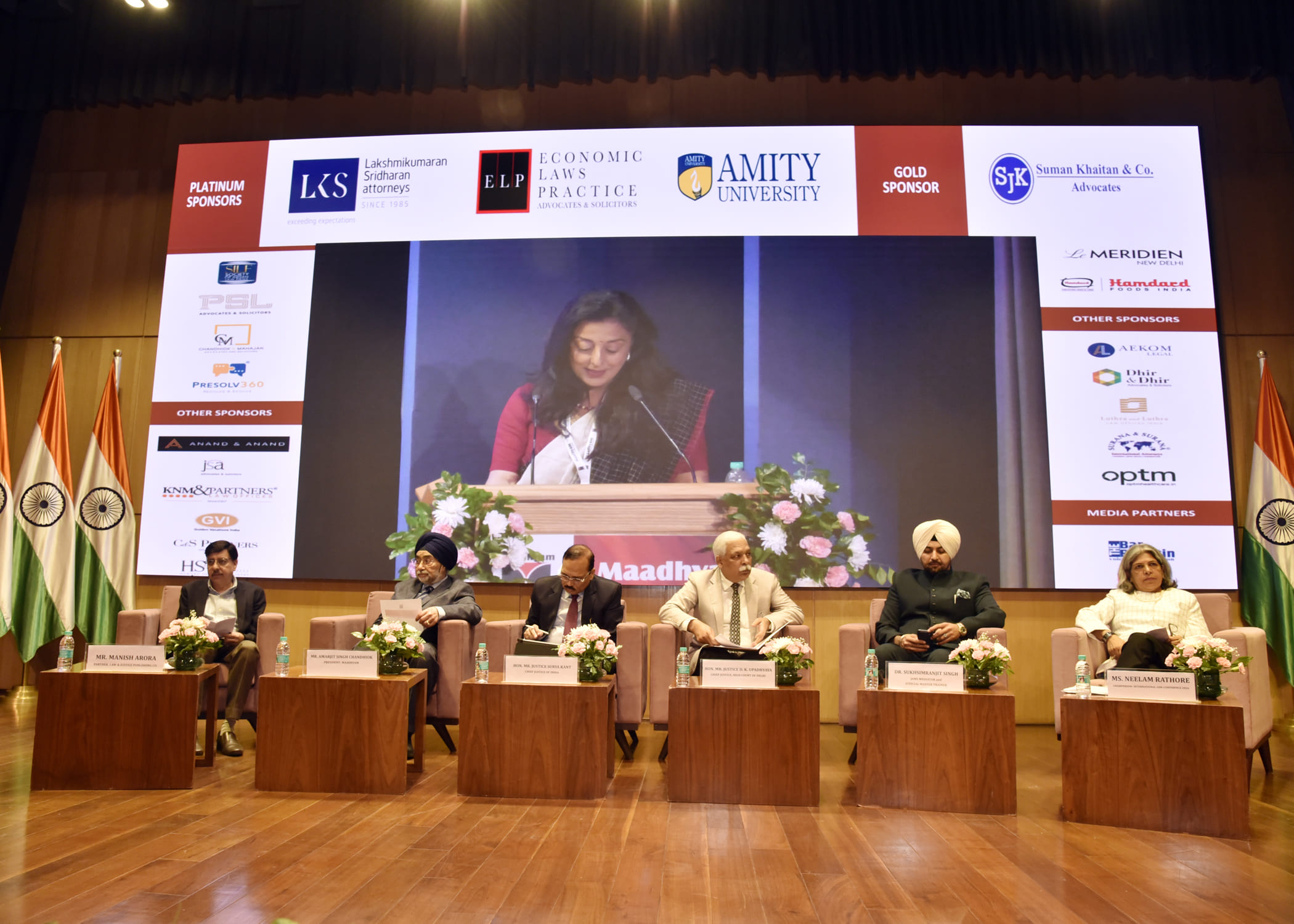
The inaugural proceedings began with opening remarks by Advocate Neelam Rathore, Chairperson, International ADR Conferences, who set the context for the conference by emphasising the growing relevance of alternative dispute resolution in an increasingly complex legal landscape.
This was followed by the welcome address by Senior Advocate Amarjit Singh Chandhiok, President, Maadhyam International Council for Conflict Resolution, who extended greetings to the esteemed gathering and underscored Maadhyam’s continued efforts in building a robust culture of mediation and conflict resolution in India and beyond.
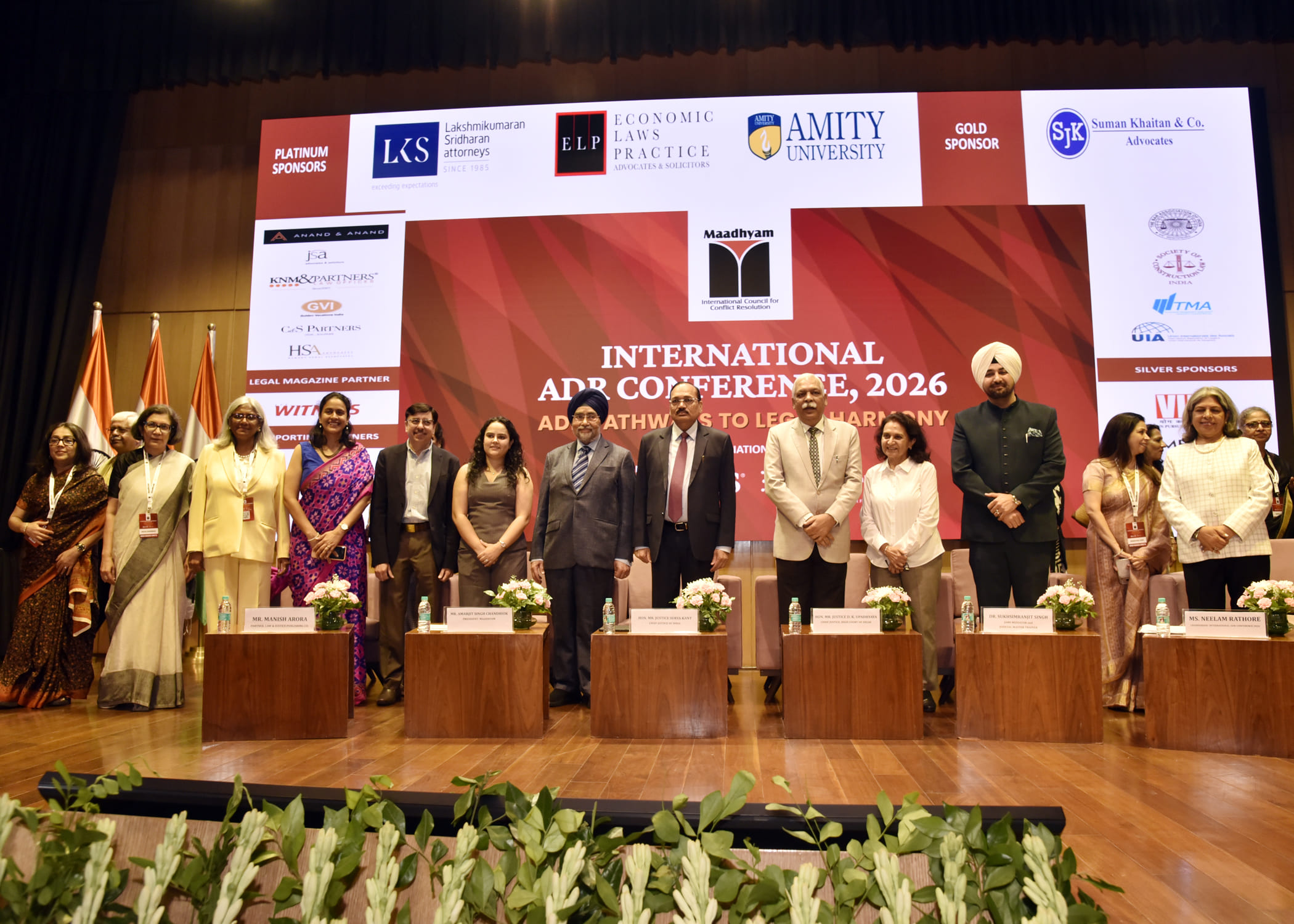
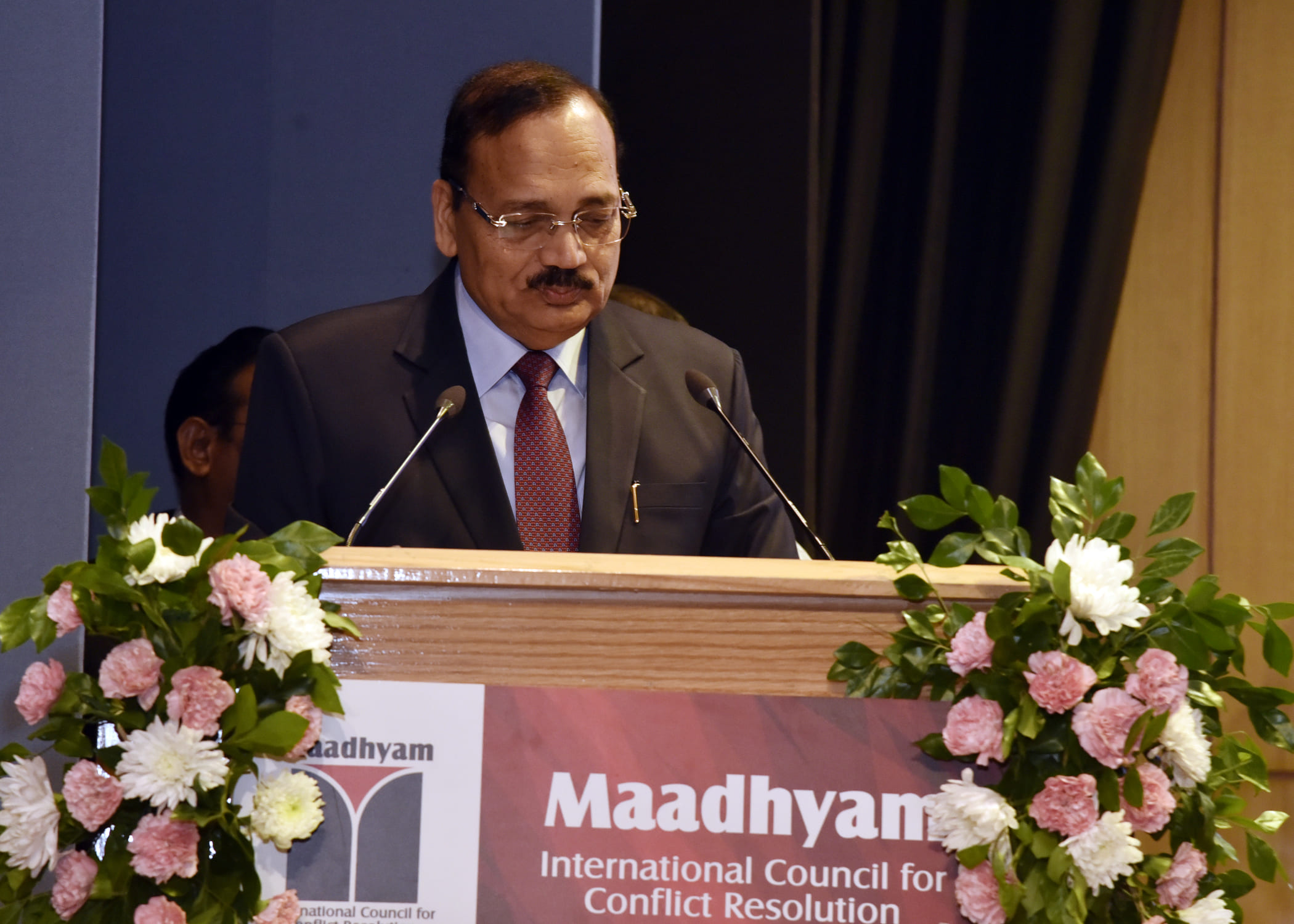
In the keynote address, delivered by the Hon’ble Chief Justice of India, Justice Surya Kant, he articulated a compelling vision for the future of dispute resolution. In a forward-looking keynote, the Chief Justice described mediation as the future of justice delivery, asserting that India possesses the legislative, institutional, and technological foundations necessary to emerge as a global leader in Alternative Dispute Resolution (ADR).
He called upon judges, lawyers, mediators, and policymakers to work collectively towards strengthening India’s ADR ecosystem and positioning the country as a preferred international hub for dispute resolution. Reflecting on the conference theme, Justice Surya Kant observed that mediation has evolved beyond being merely an alternative to litigation and is increasingly becoming an integral pillar of the justice delivery system.
Justice Surya Kant also highlighted the significance of the Mediation Act, 2023, describing it as a landmark reform that establishes a comprehensive legal framework for mediation in India. He noted that the Act strengthens enforceability by granting mediated settlements the status of civil court decrees, while also promoting flexibility and choice in the mediation process.
Further, he drew attention to the expanding network of court-annexed mediation centres, capacity-building initiatives, and the growing role of technology and Online Dispute Resolution (ODR) platforms in enhancing access, efficiency, and cross-border applicability of mediation.
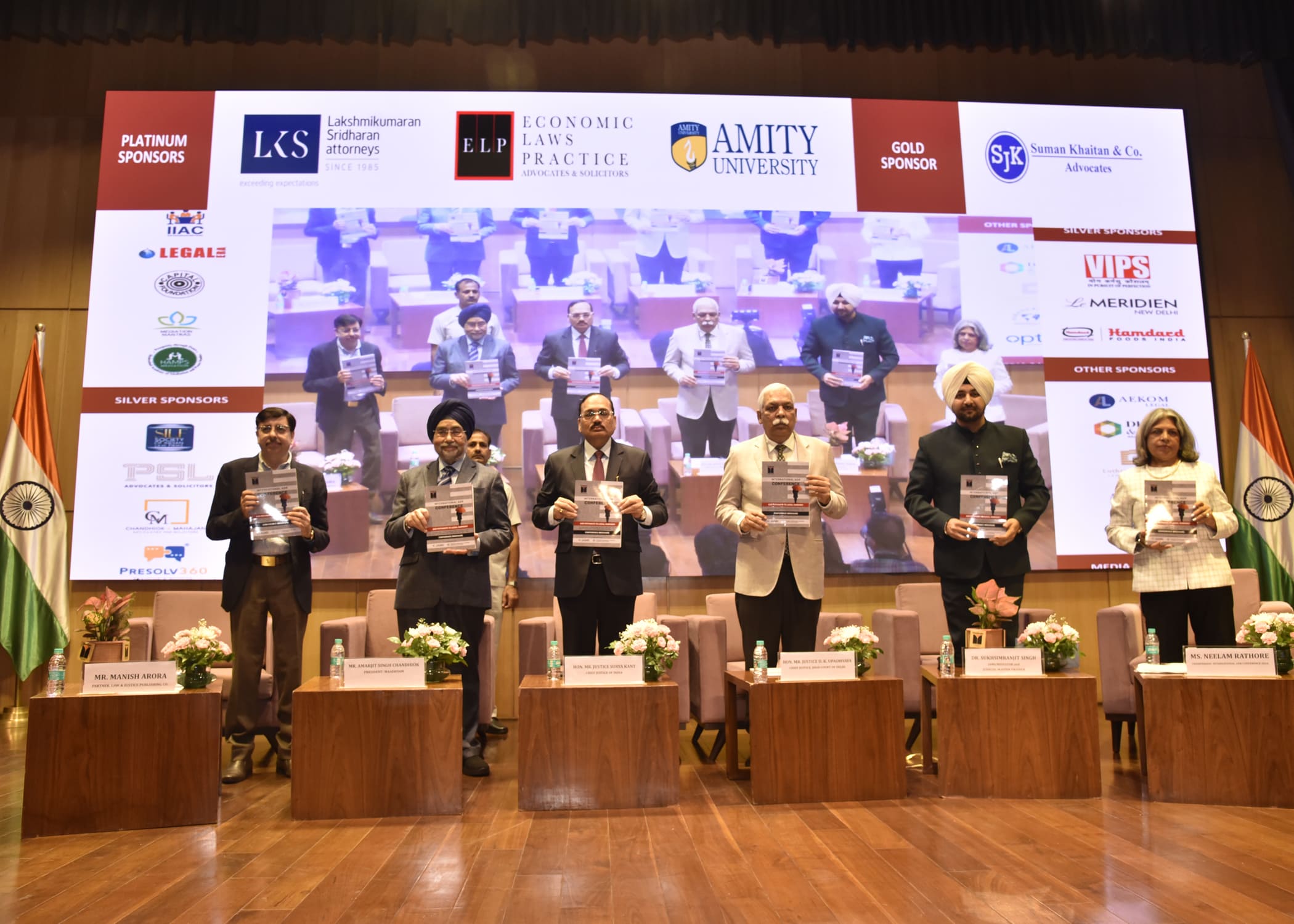
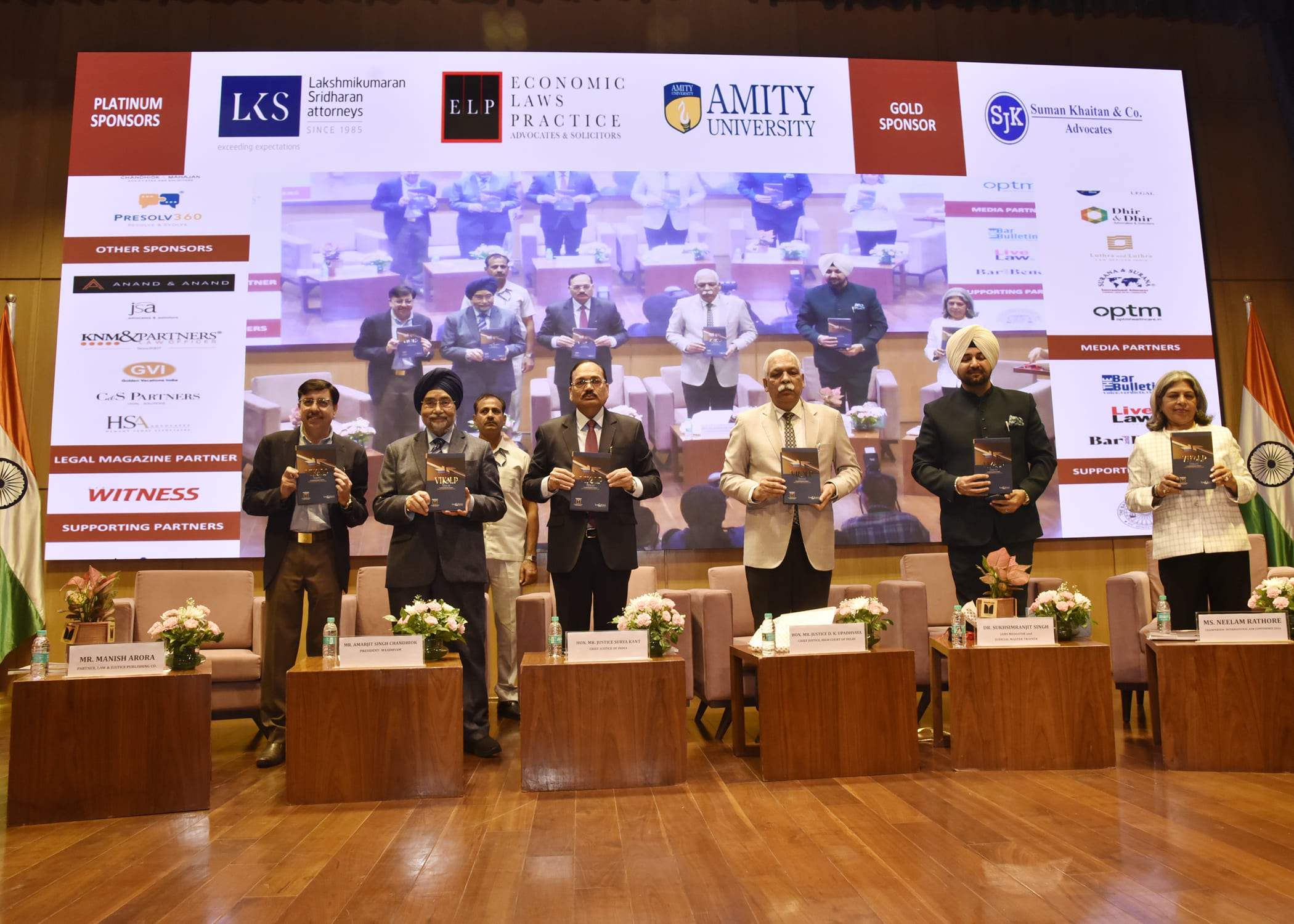
A significant highlight of the session was the formal release of the Conference Brochure by the dignitaries, marking the official commencement of the conference proceedings. The occasion also witnessed the release of ‘Vikalp’, a publication reflecting thought leadership and evolving perspectives in the domain of ADR, symbolising the conference’s intellectual and practical contributions to the field.
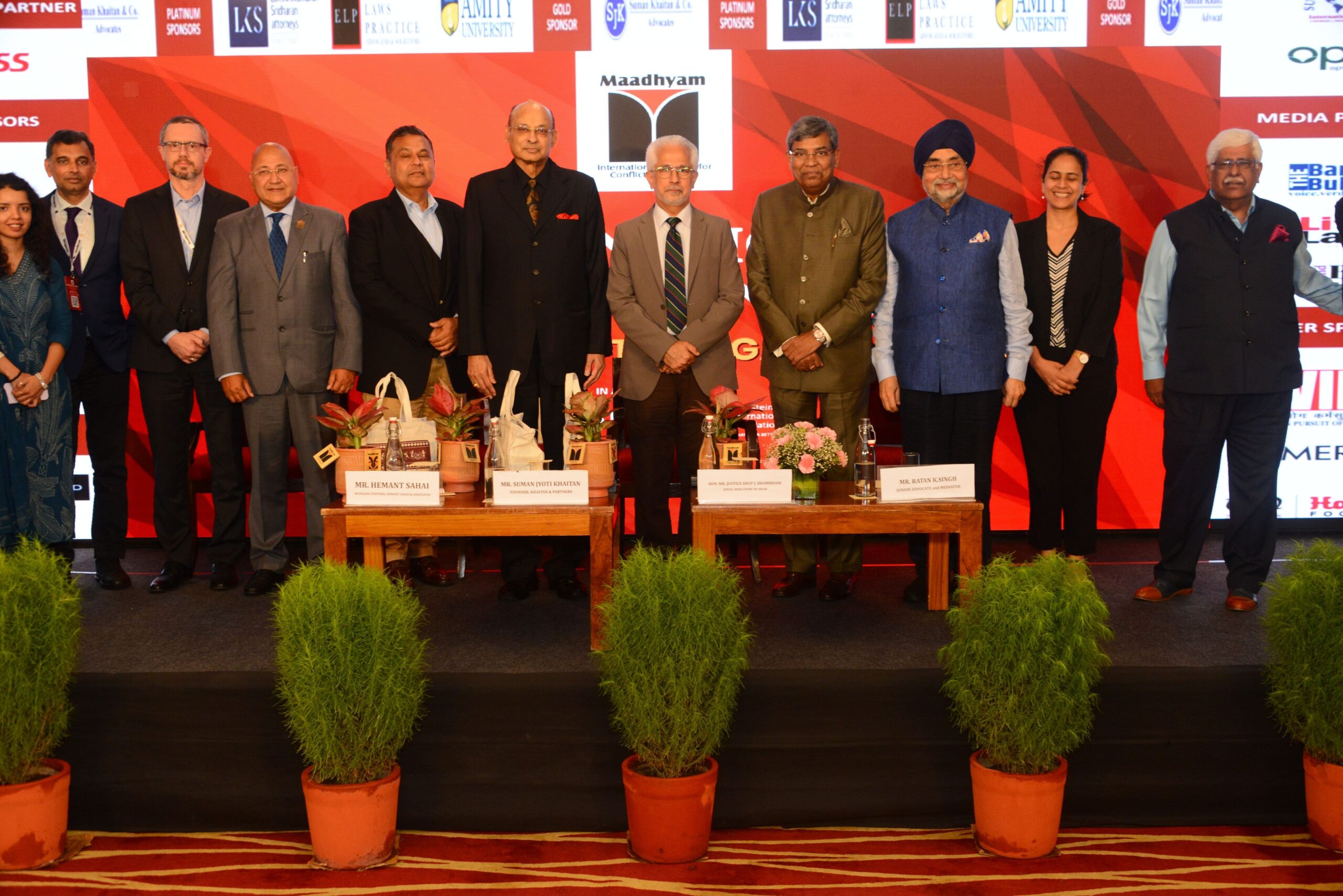
Following the keynote, Hon’ble Judge Mr Daniel Weinstein (Retd.) was formally welcomed by Mr Sukhsimranjit Singh, who also introduced and launched his book, offering insights into its contribution to the evolving discourse on mediation. In his address, Judge Weinstein shared valuable perspectives from international practice, reinforcing the global character of the conference.
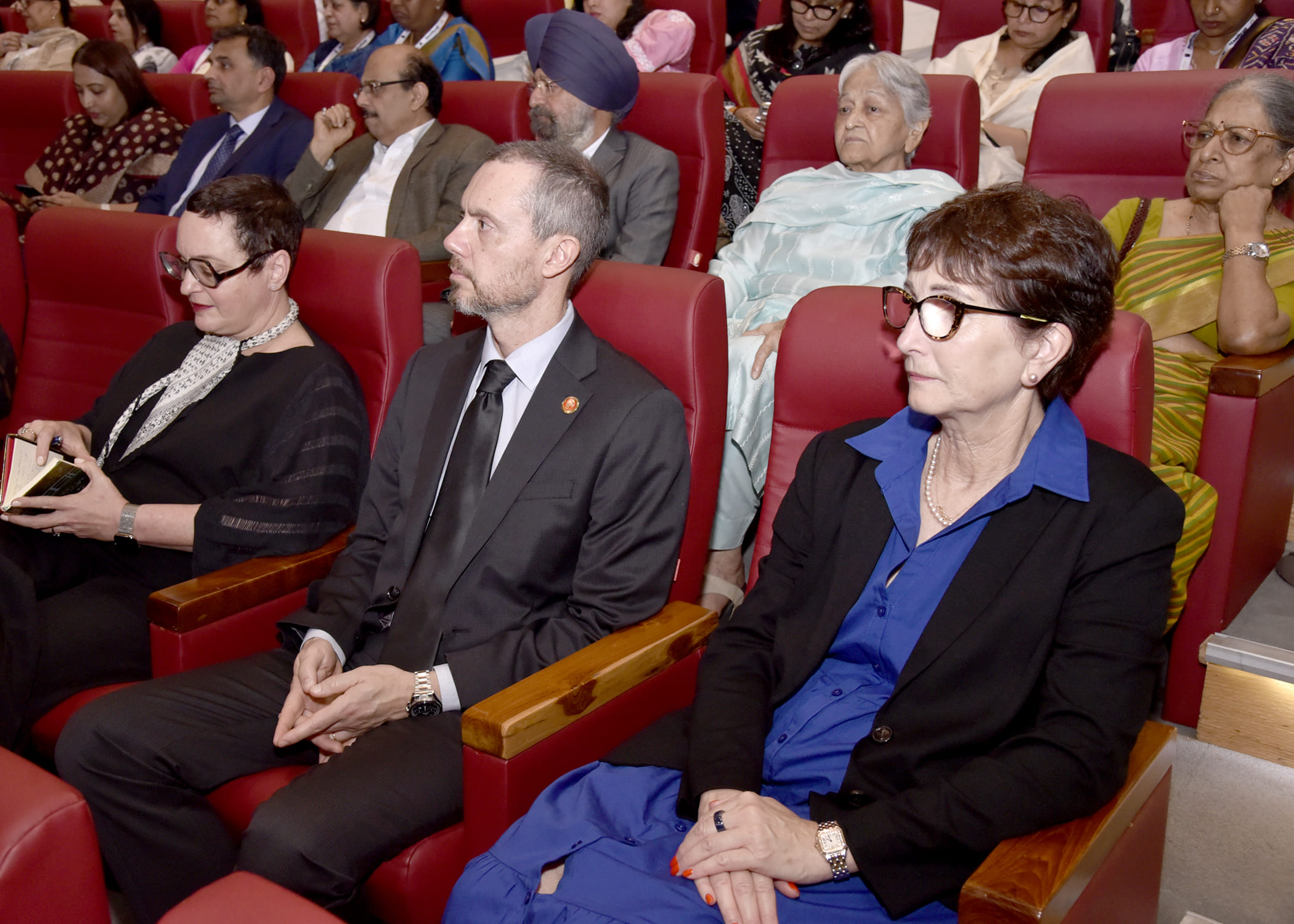
The inaugural session was further enriched by the presence of distinguished international delegates and practitioners, including Judge Fernando Hoffmann and Judge Vanessa Zecher, whose participation reflected the conference’s cross-jurisdictional engagement and the growing global dialogue around mediation and ADR frameworks.
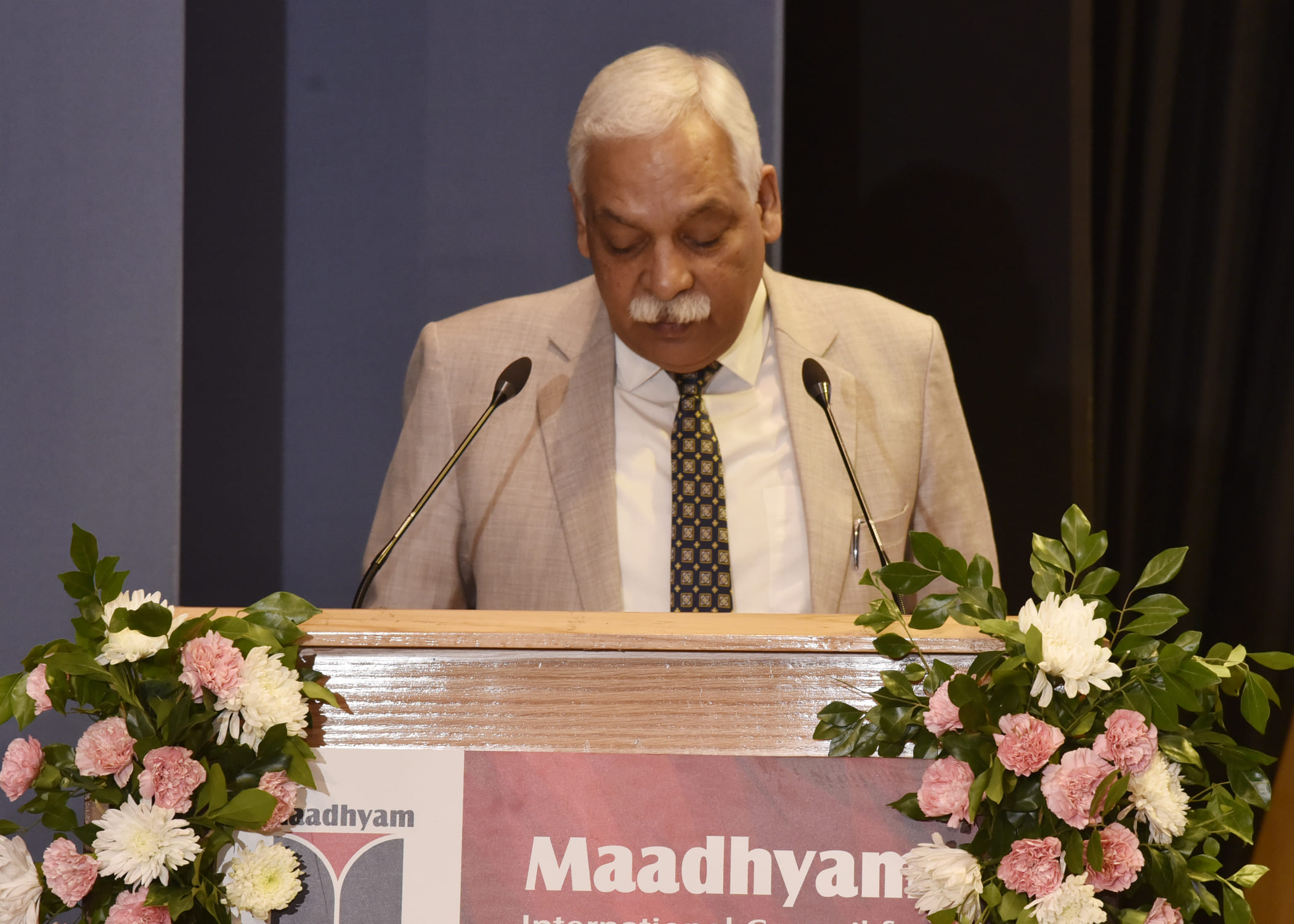
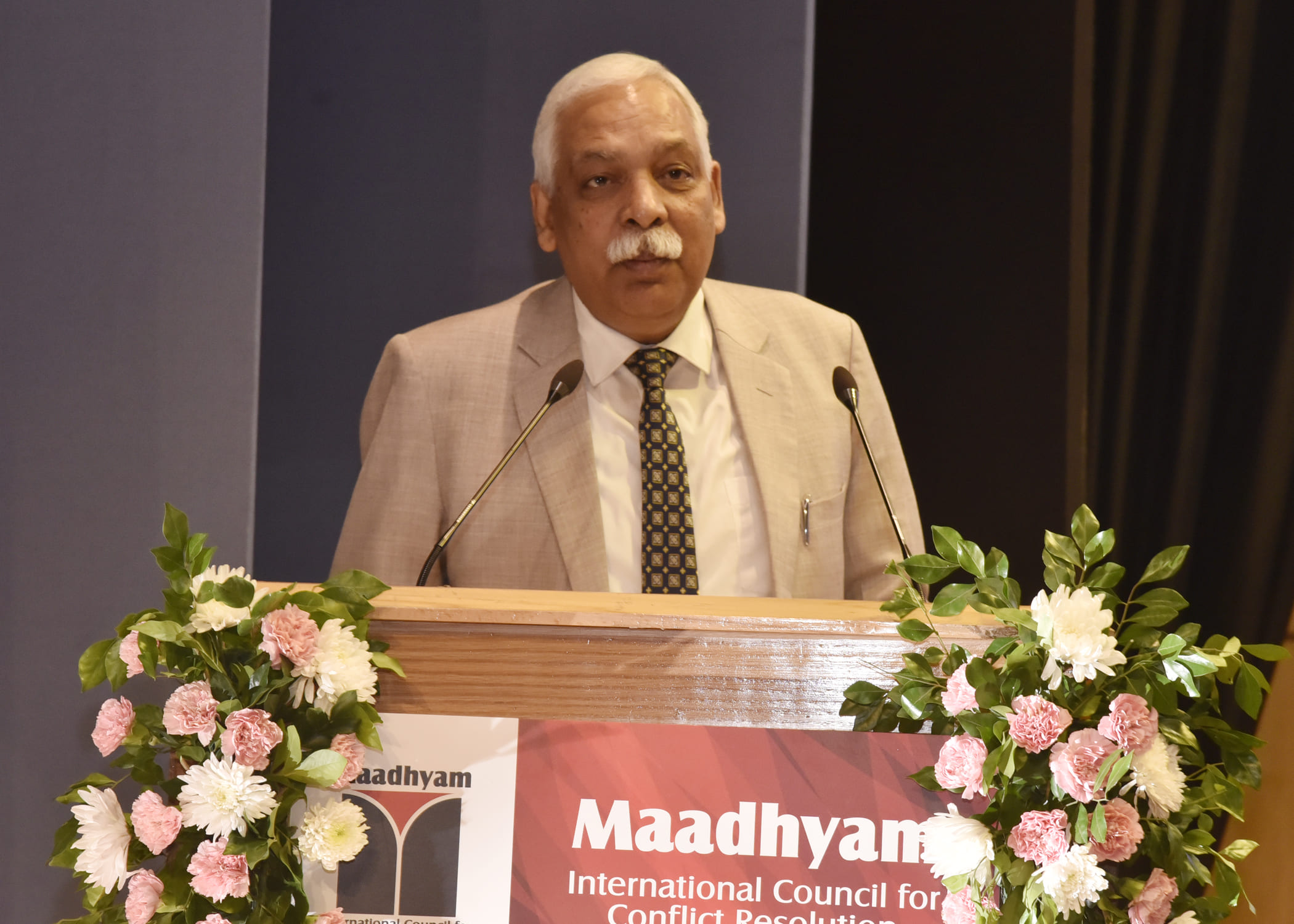
The session also featured an address by Hon’ble Justice Devendra Kumar Upadhyay, Chief Justice of the High Court of Delhi, who reflected on the institutional role of courts in promoting mediation and strengthening access to justice through non-adversarial mechanisms.
The inaugural session concluded with a Vote of Thanks by Mr Manish Arora, Partner, Law & Justice Publishing Co., who expressed gratitude to the distinguished speakers, international delegates, and participants for their contributions in making the opening session both meaningful and impactful.
The inaugural session set a powerful and purposeful tone for the three-day conference, reaffirming Maadhyam International’s role as a leading platform in advancing mediation and conflict resolution. As the conference unfolds, it continues to deepen conversations on building a more harmonious, accessible, and future-ready justice delivery system—both in India and across jurisdictions.


Innovation, Inclusion and the Urgency of Reform: Day Two of Maadhyam ADR Conference Explores Pathways to Justice
Navigating through the enduring question of how to achieve and deliver the promise of “social, economic and political justice” enshrined in the Preamble of the Constitution of India, Day Two of the Maadhyam International ADR Conference—Pathways to Legal Harmony—opened with a renewed sense of urgency and purpose.
If the inaugural day, led by Chief Justice of India Justice Surya Kant, had firmly positioned mediation as the future of justice delivery, the second day moved beyond vision to grapple with the practical realities: the challenges, limitations, and transformative possibilities of Alternative Dispute Resolution (ADR) in India and across borders.
With nearly 60 million pending cases burdening India’s judicial system, the scale of the crisis formed the backdrop of the day’s deliberations. The gathering of global experts, mediators, judges and legal practitioners was not merely to explore alternatives, but to interrogate what impedes justice delivery, and how ADR mechanisms must evolve to respond effectively.
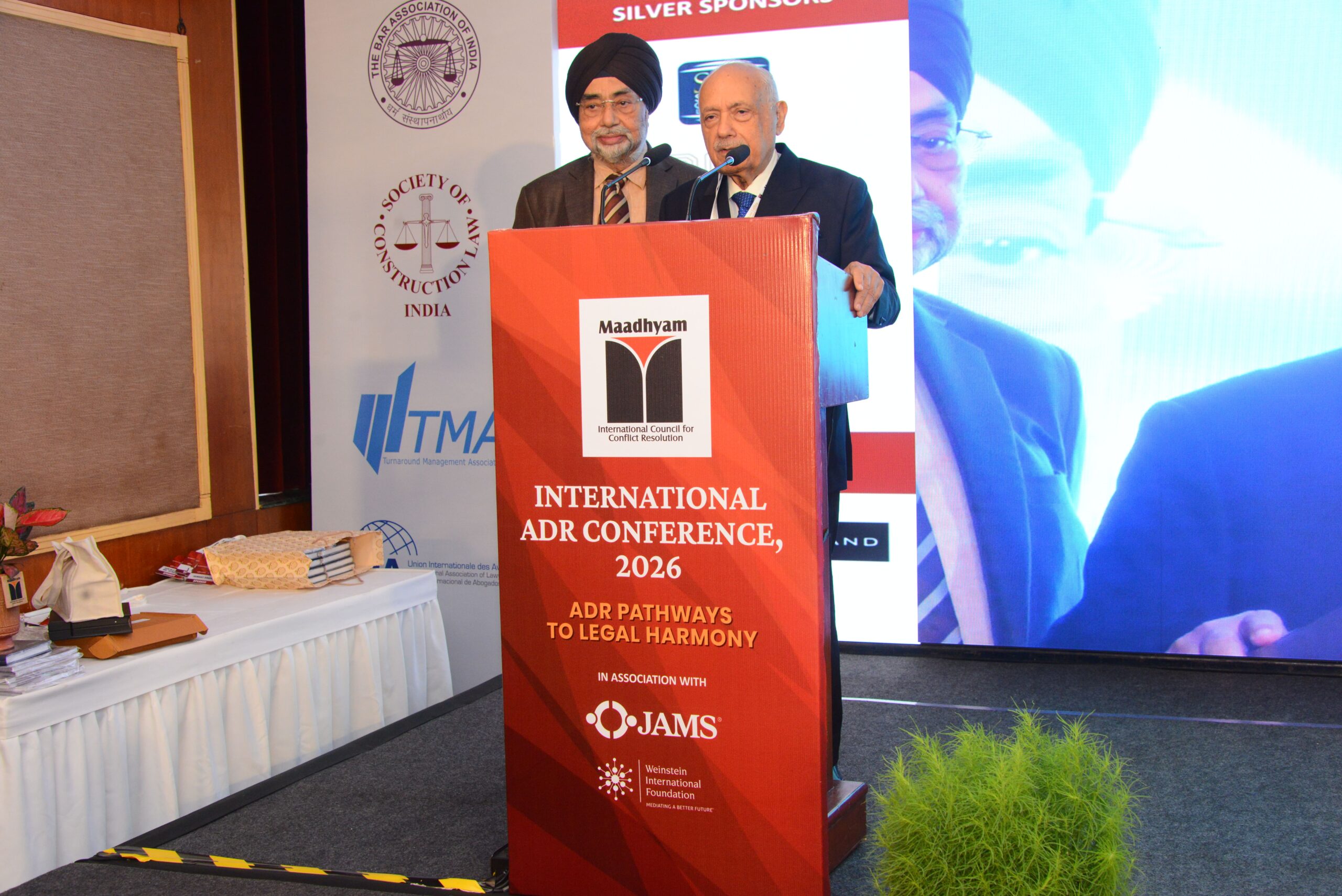
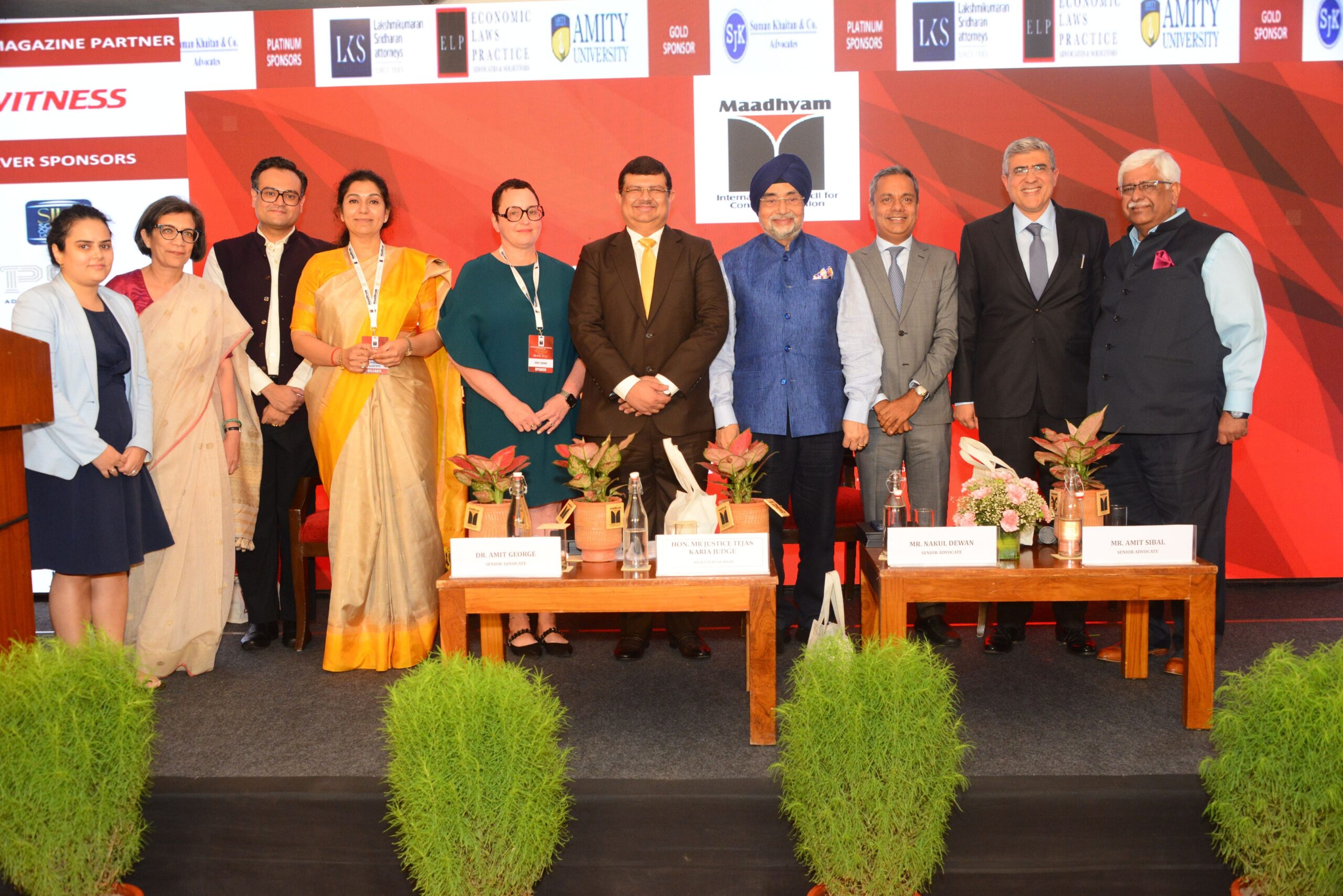
“Innovation is the way forward,” remarked Senior Advocate Amarjit Singh Chandhiok, President of Maadhyam International Council for Conflict Resolution, as he set the tone for the day. Emphasising the need for collaborative thinking, he noted that mediators must continuously adapt and innovate, joining hands to craft solutions in an increasingly complex dispute landscape.
Echoing the urgency, Lalit Bhasin, President of the Society of Indian Law Firms (SILF) and Managing Partner of Bhasin & Co., drew attention to the paradox within India’s dispute resolution ecosystem. Despite its potential, arbitration, he observed, “has not taken off in the country,” while a significant number of arbitration cases involving Indian parties continue to be referred to international centres such as Singapore.
Bhasin attributed this gap to multiple systemic issues—prolonged arbitration processes, excessive judicial intervention, lack of institutional frameworks, and the dominance of a narrow professional pool. In contrast, he asserted, mediation presents a more viable and humane alternative. “The only effective alternative to arbitration is mediation,” he said, while cautioning that India’s achievements in mediation so far remain “minuscule.”
For meaningful reform, Bhasin stressed the need for a long-term roadmap beginning at the foundational level. Introducing mediation and negotiation skills in schools, he argued, could fundamentally reshape societal attitudes towards dispute resolution. “True justice delivery requires not just mechanisms, but a shift in mindset,” he noted.
Across multiple sessions, the conference delved into the evolving dimensions of ADR—from cross-border mediation and enforcement challenges to the role of technology and the human element in dispute resolution. A recurring theme was the need to balance innovation with the core principles of mediation: neutrality, confidentiality and trust.
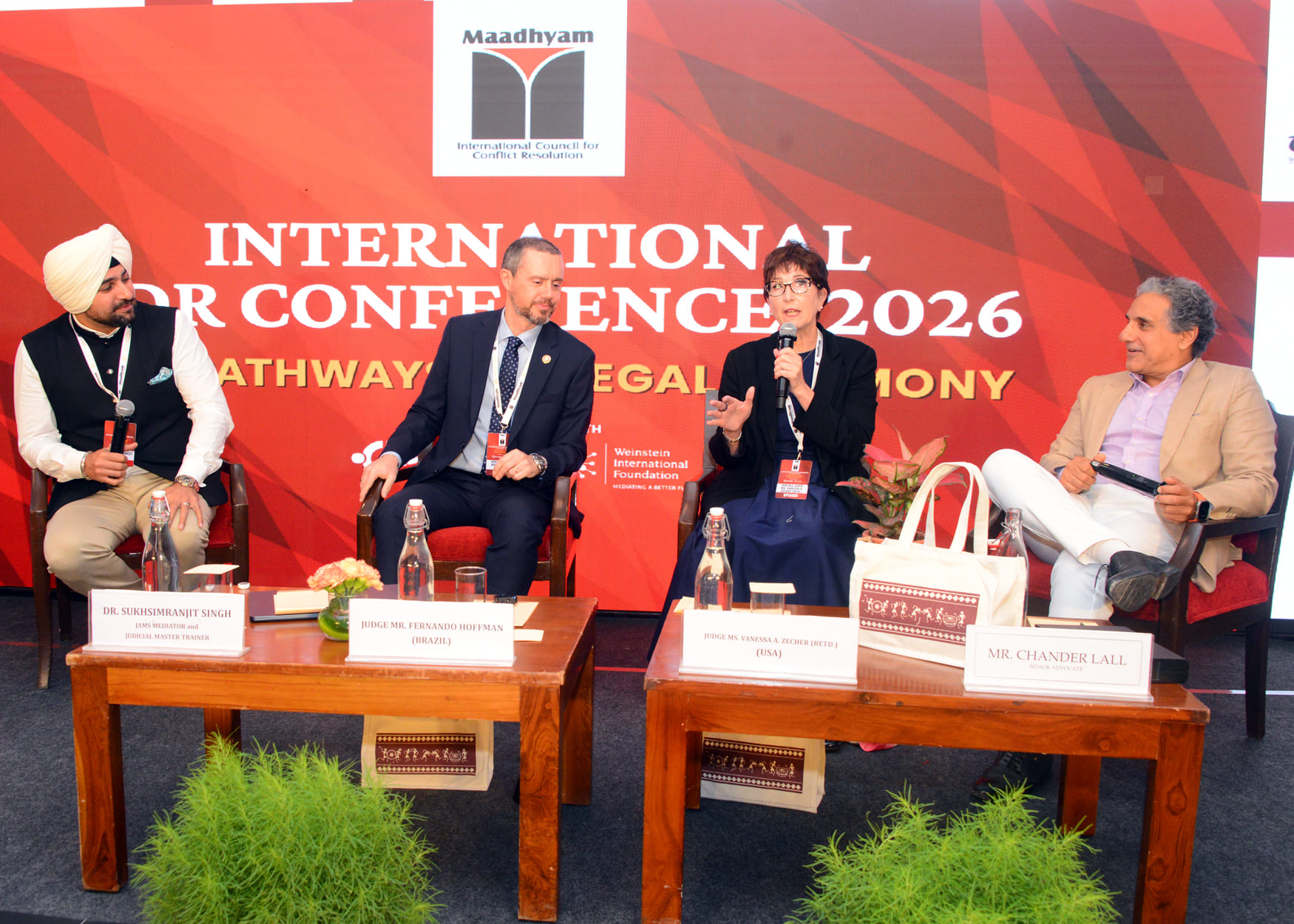
Speaking on Institutionalising Mediation in India through Cross-Cultural Insights, Dr Sukhsimranjit Singh, JAMS Mediator and Founder of Singh Academy, underscored the importance of collaboration and youth engagement. “The future lies in partnerships and in involving the next generation,” he said, pointing towards a more inclusive and globally connected mediation ecosystem.
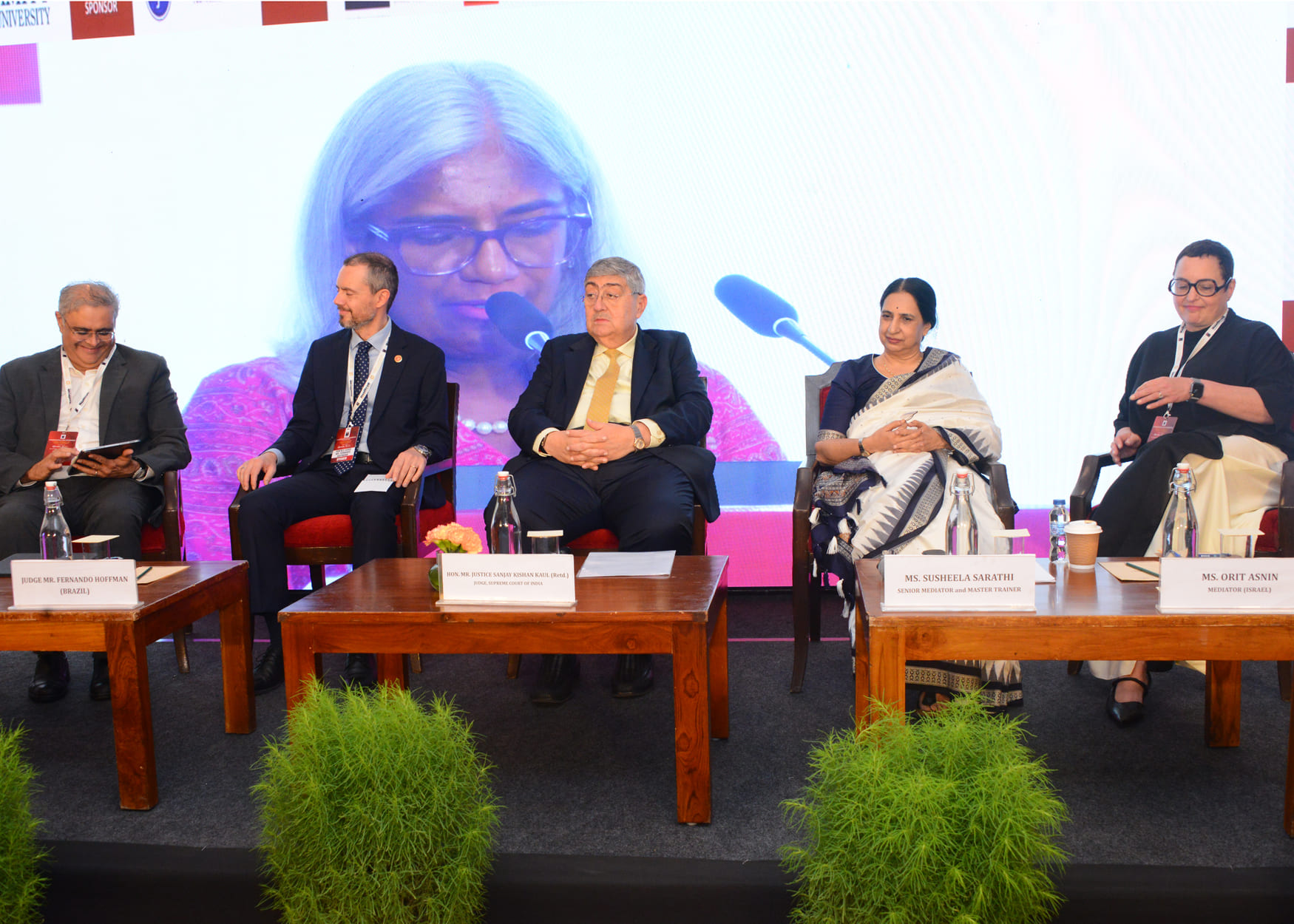
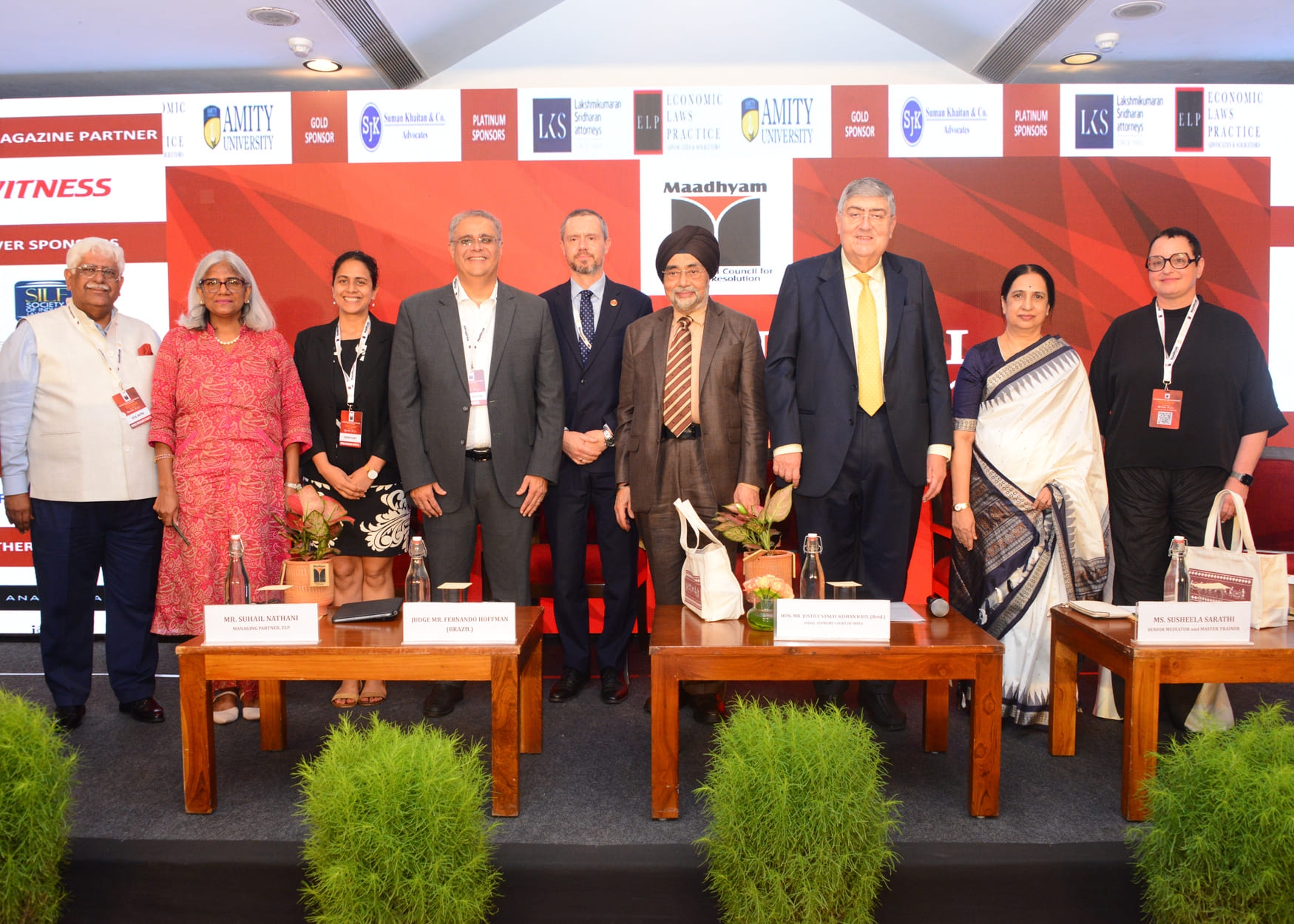
One of the key areas of concern remained the enforceability of cross-border mediation settlements, particularly in the context of the Singapore Convention. Justice Sanjay Kishan Kaul (Retd.), Supreme Court of India, and Judge at the Bahrain International Commercial Court, highlighted that the “big difficulty lies in implementation and enforceability,” especially in commercial disputes.
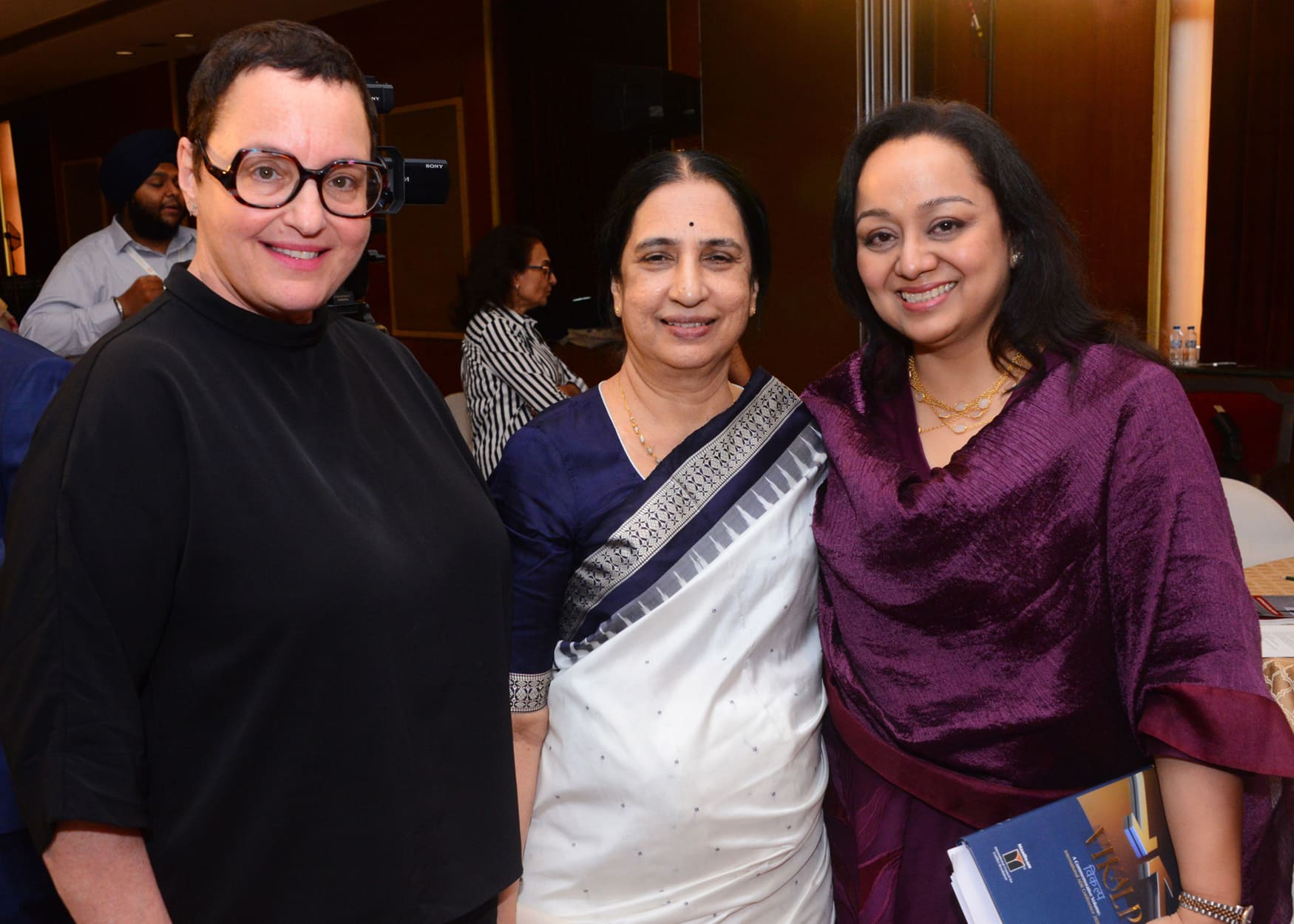
Adding a global perspective, Orit Asnin, an experienced mediator from Israel with over 6,000 mediations to her credit, described the present moment as a “mediation revolution.” While acknowledging structural challenges, she emphasised that each country must evolve its own approach while preserving the fundamental pillars of mediation—impartiality and confidentiality.
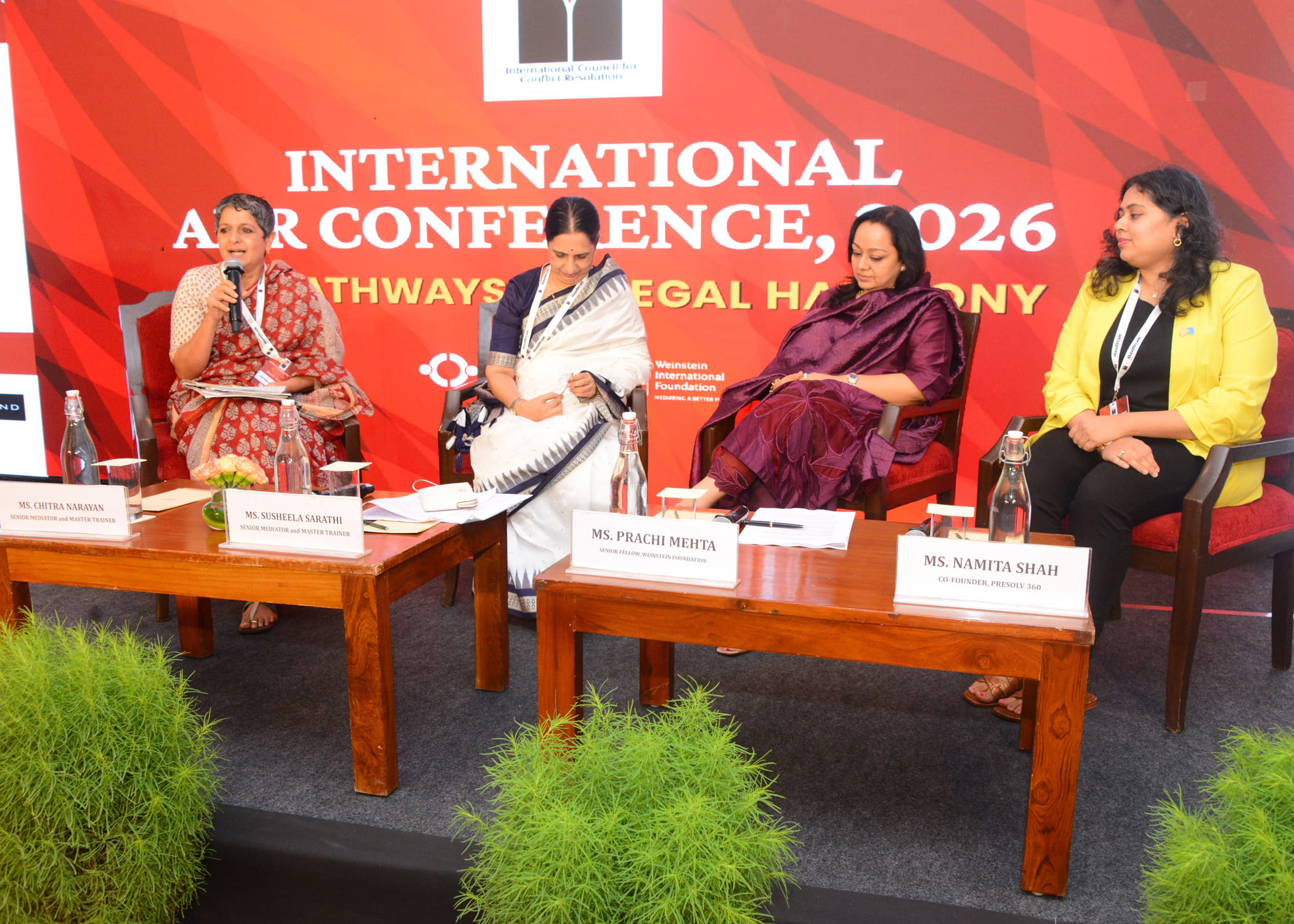
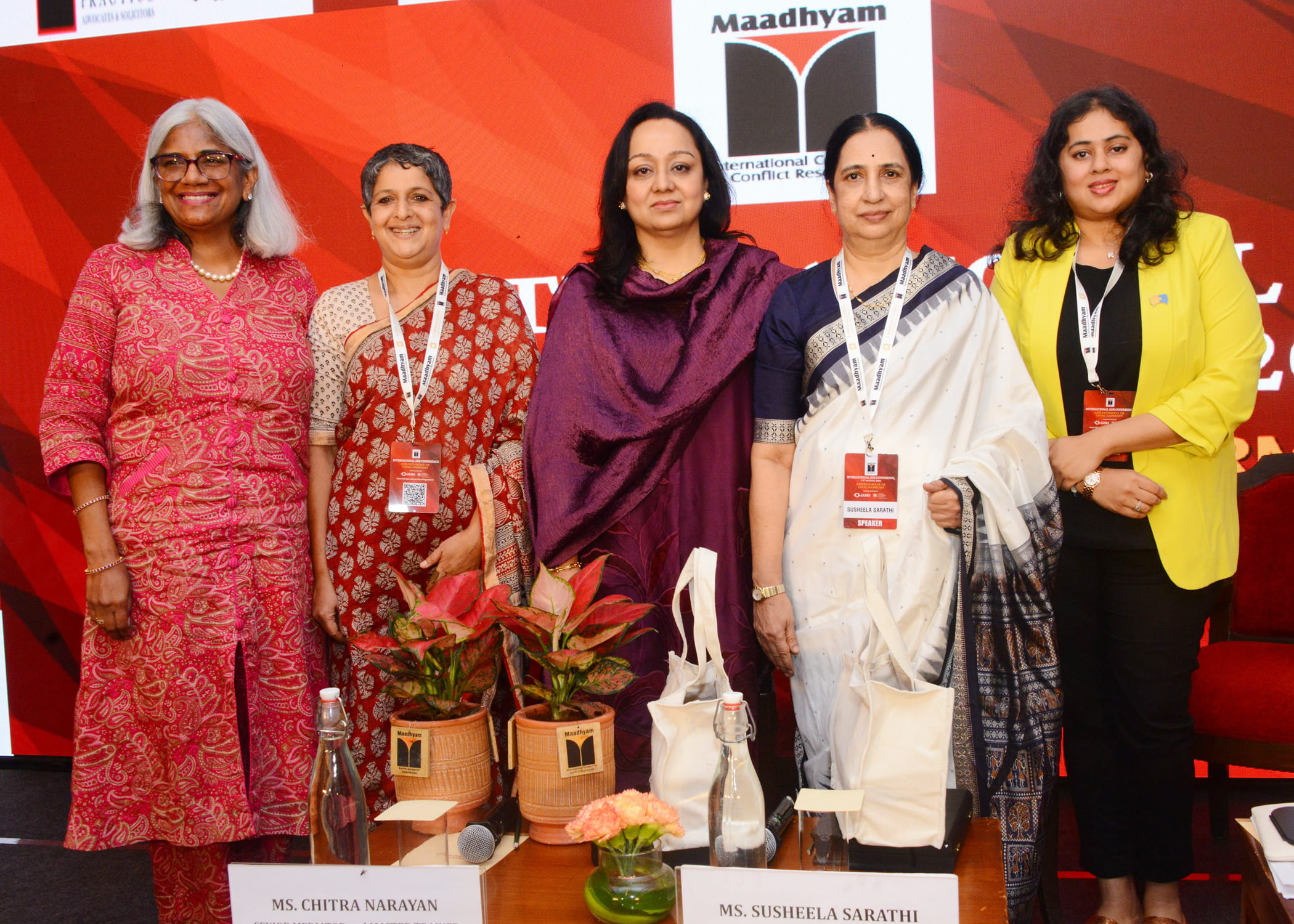
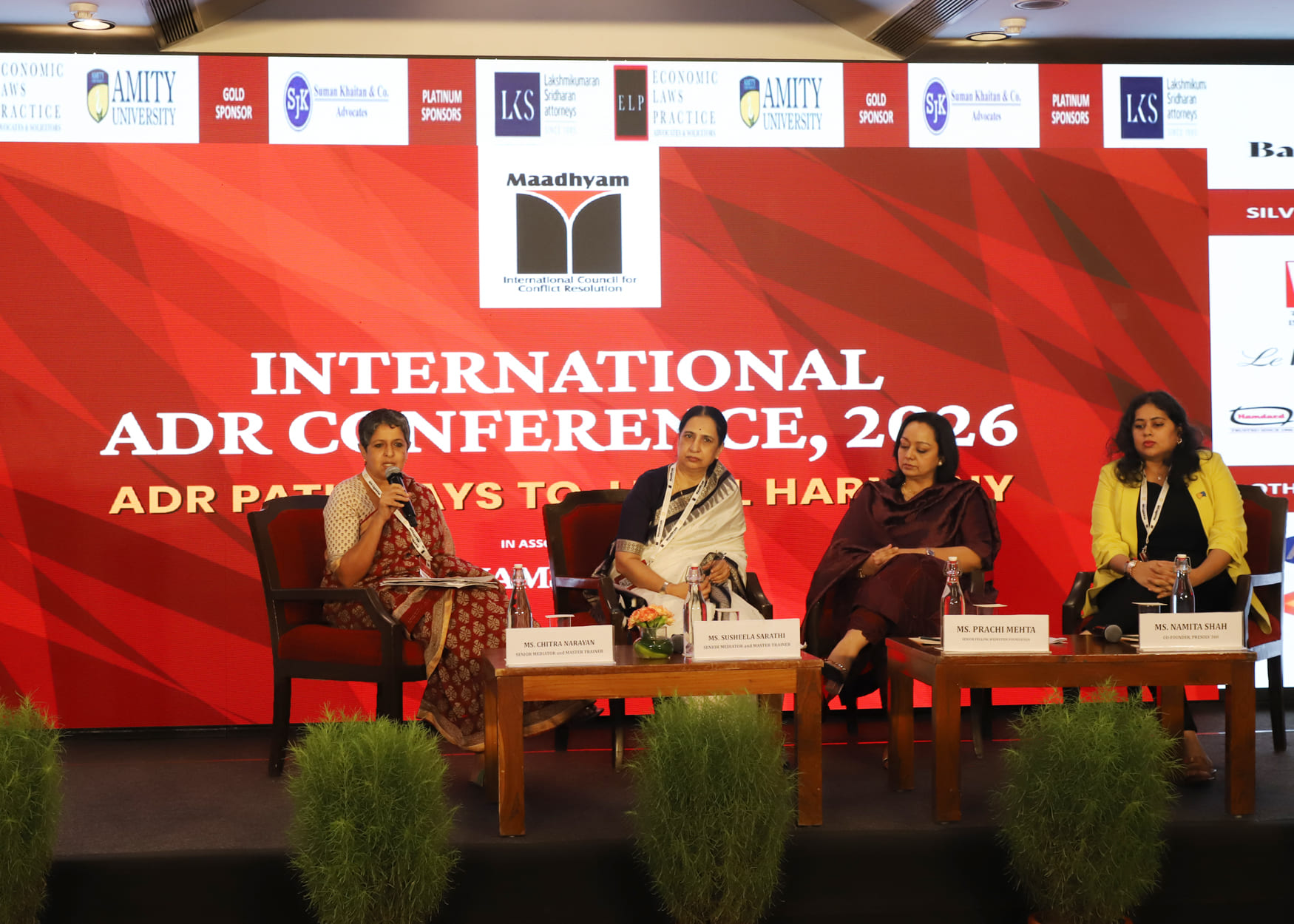
At the domestic level, Senior Advocate and master trainer Sushila Sarathi stressed the importance of recognising mediation as a legitimate tool for grassroots justice. “We cannot deliver justice at the grassroots unless mediation is formally recognised and integrated,” she said, highlighting the gap between policy intent and ground-level implementation.
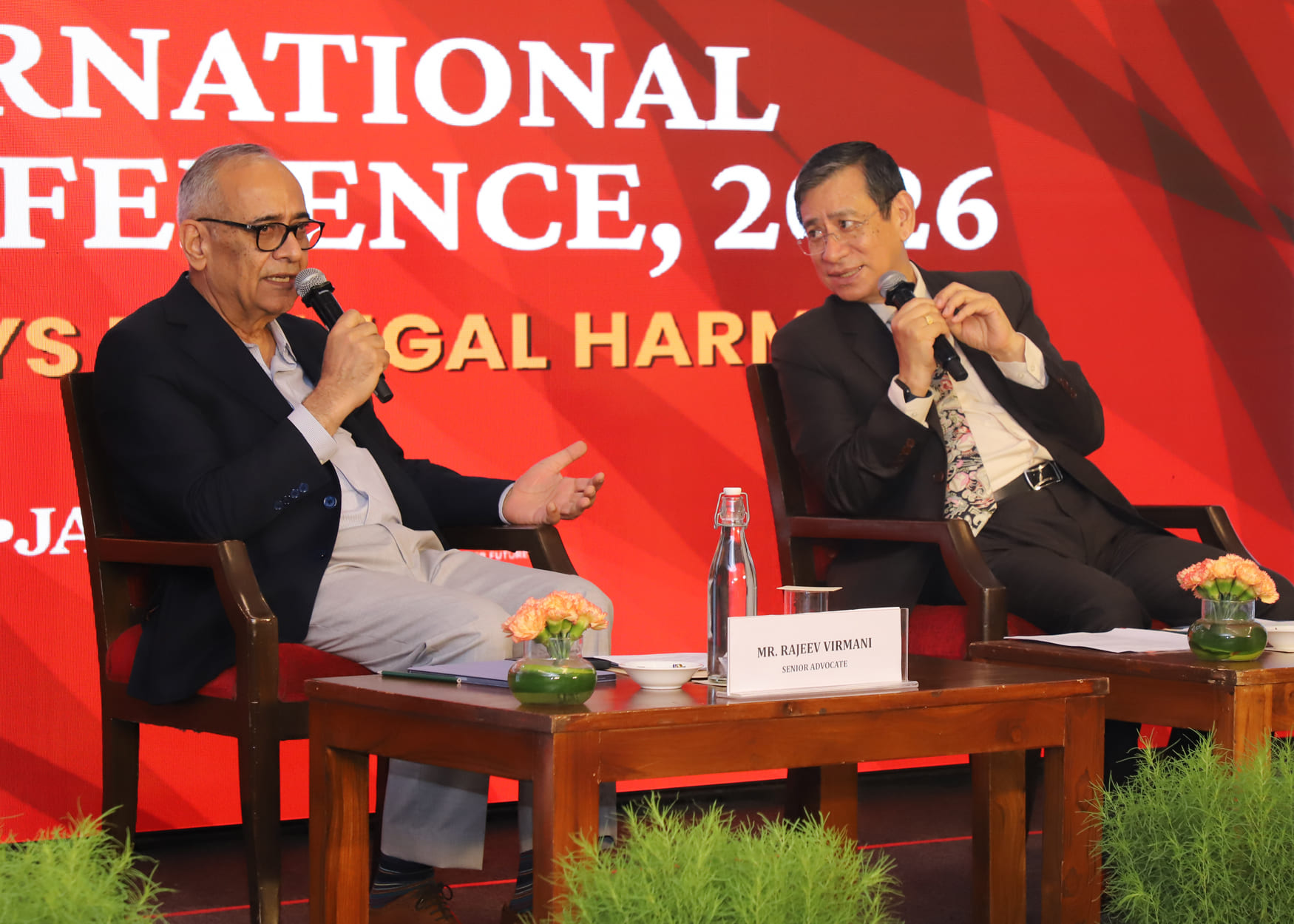
The conference also explored emerging and complex intersections, ‘the humanness of mediation in the age of AI, resolution of intellectual property disputes, mediation in diplomacy, and the evolving role of lawyers beyond adversarial frameworks’. These discussions reflected a broader shift: from viewing mediation merely as an alternative to litigation, to recognising it as a central pillar of a modern justice system.
International participation added depth to the deliberations, with delegates including Dr Sukhsimranjit Singh, Hon’ble Judge Fernando Hoffmann (Brazil), Hon’ble Judge Vanessa A. Zaahar (Retd., USA), and Orit Asnin (Israel), among others. Their insights reinforced the idea that while legal systems differ, the pursuit of equitable, efficient and humane dispute resolution remains universal.
What emerged clearly from Day Two was that ‘mediation is no longer at the margins’ but ‘it is at the centre of conversations on justice reform’. Yet, the journey ahead demands more than endorsement. It requires structural reform, institutional strengthening, cross-border cooperation, and above all, a cultural shift in how disputes are perceived and resolved.
As the conference progressed, the underlying message remained consistent: achieving the constitutional promise of justice will not come from courts alone, but from a collective reimagining of dispute resolution—one that is accessible, collaborative and humane.


THREE MEMORABLE DAYS! ONE SHARED VISION!
THE GLOBAL ADR COMMUNITY CAME TOGETHER IN NEW DELHI FOR MAADHYAM’S INTERNATIONAL ADR CONFERENCE 2026 – ADR PATHWAYS TO LEGAL HARMONY.
Three days of compelling dialogue, contemporary themes and diverse international perspectives, united by a shared commitment to advancing the cause and practice of Alternative Dispute Resolution.
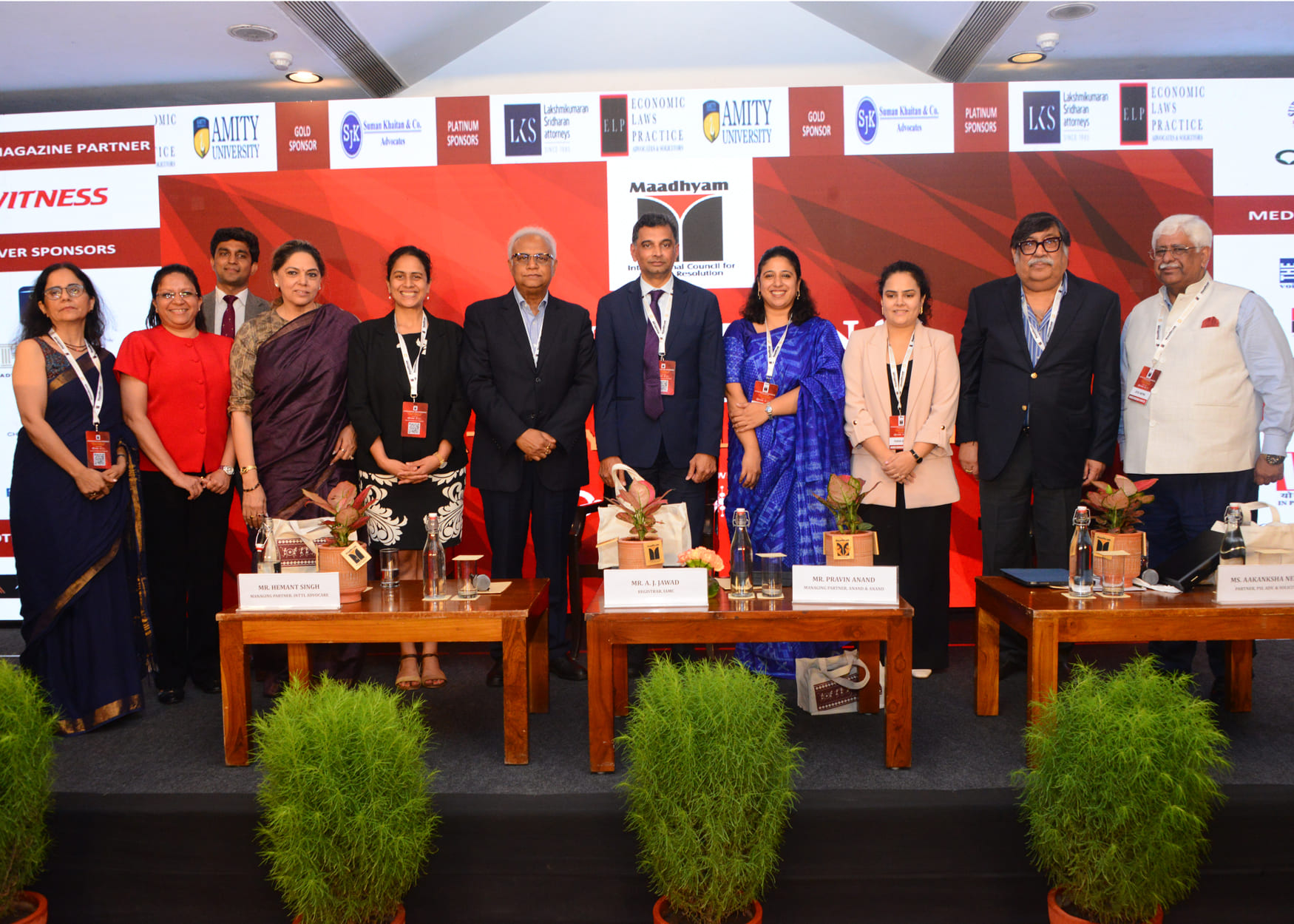
The Conference brought together eminent judges, thought leaders, senior advocates, mediators, arbitrators, academicians and ADR professionals from across jurisdictions, creating a global forum for exchange, reflection and collaboration.
OUR INTERNATIONAL PARTNERS Our sincere gratitude to JAMS and Weinstein International Foundation for their invaluable support and collaboration in making this Conference a truly international platform.
OUR SPEAKERS We extend our deepest appreciation to every speaker, panellist and moderator whose knowledge, experience and thoughtful perspectives enriched the dialogue and made each session impactful.
OUR AUTHORS OF THE BOOK ‘VIKALP’ A special acknowledgement to the authors and contributors to VIKALP, our collection of scholarly articles, released at the inaugural event. Their scholarship and insights add enduring value to the ADR discourse and reflect the breadth and depth of thought within our community.
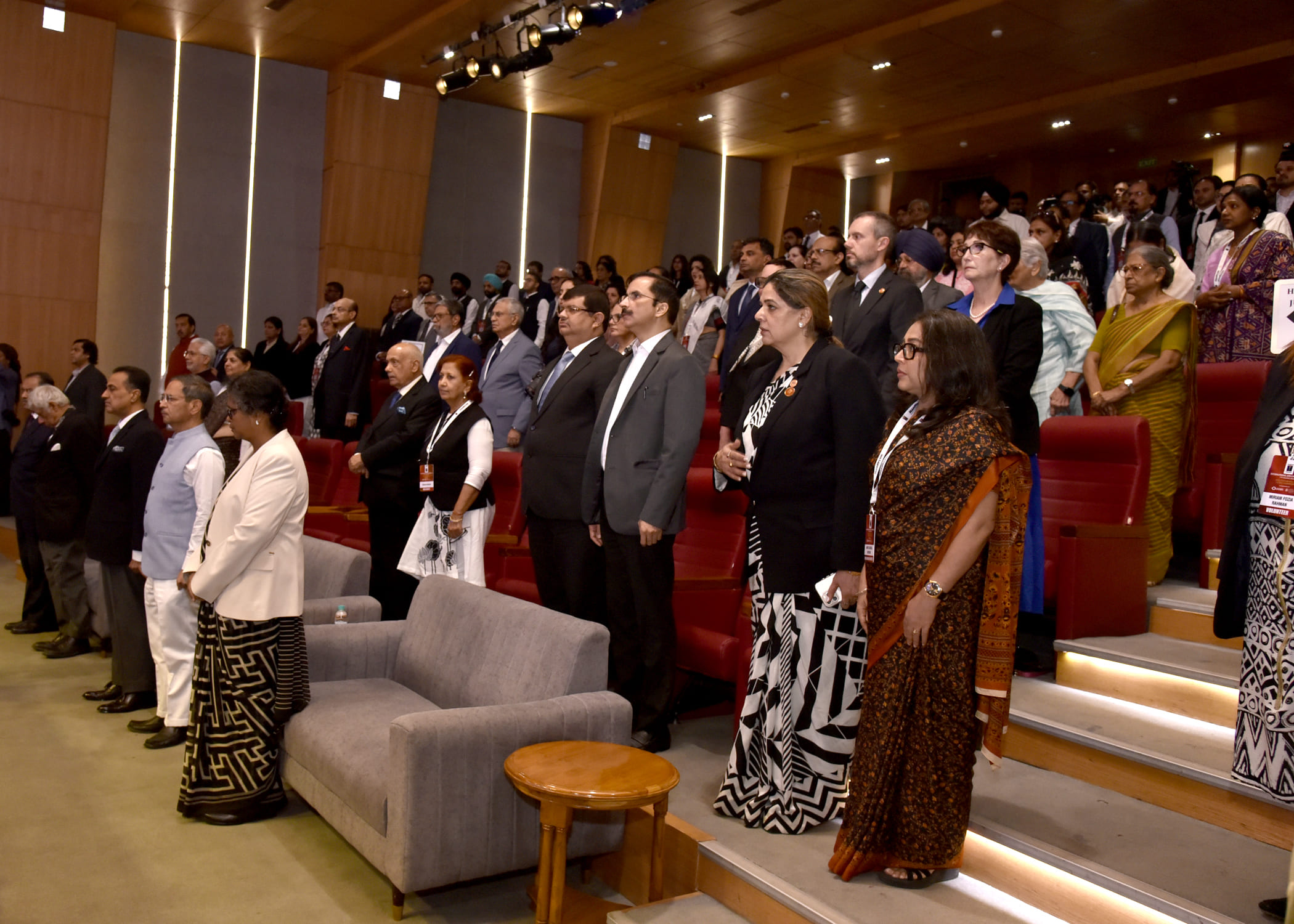
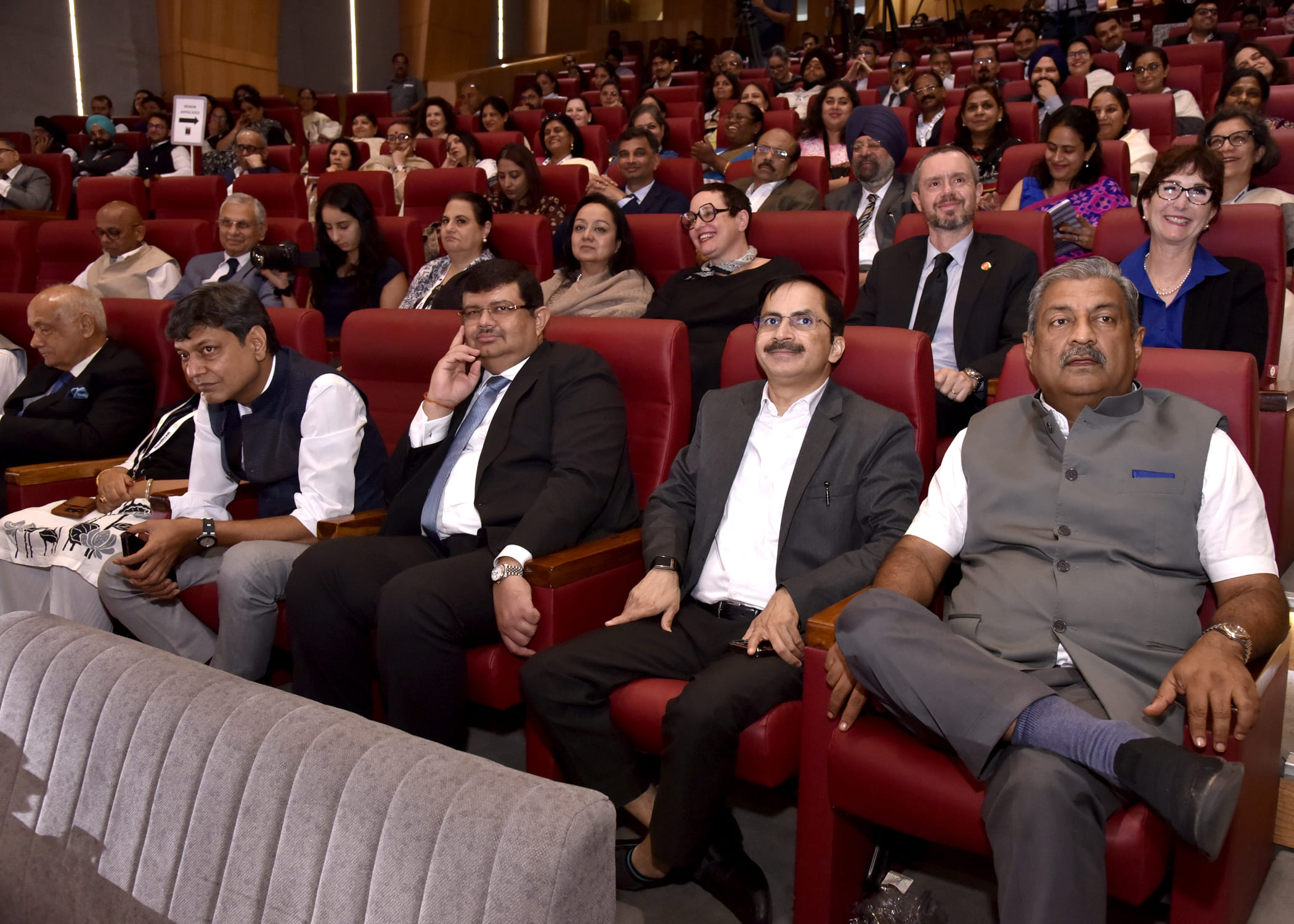
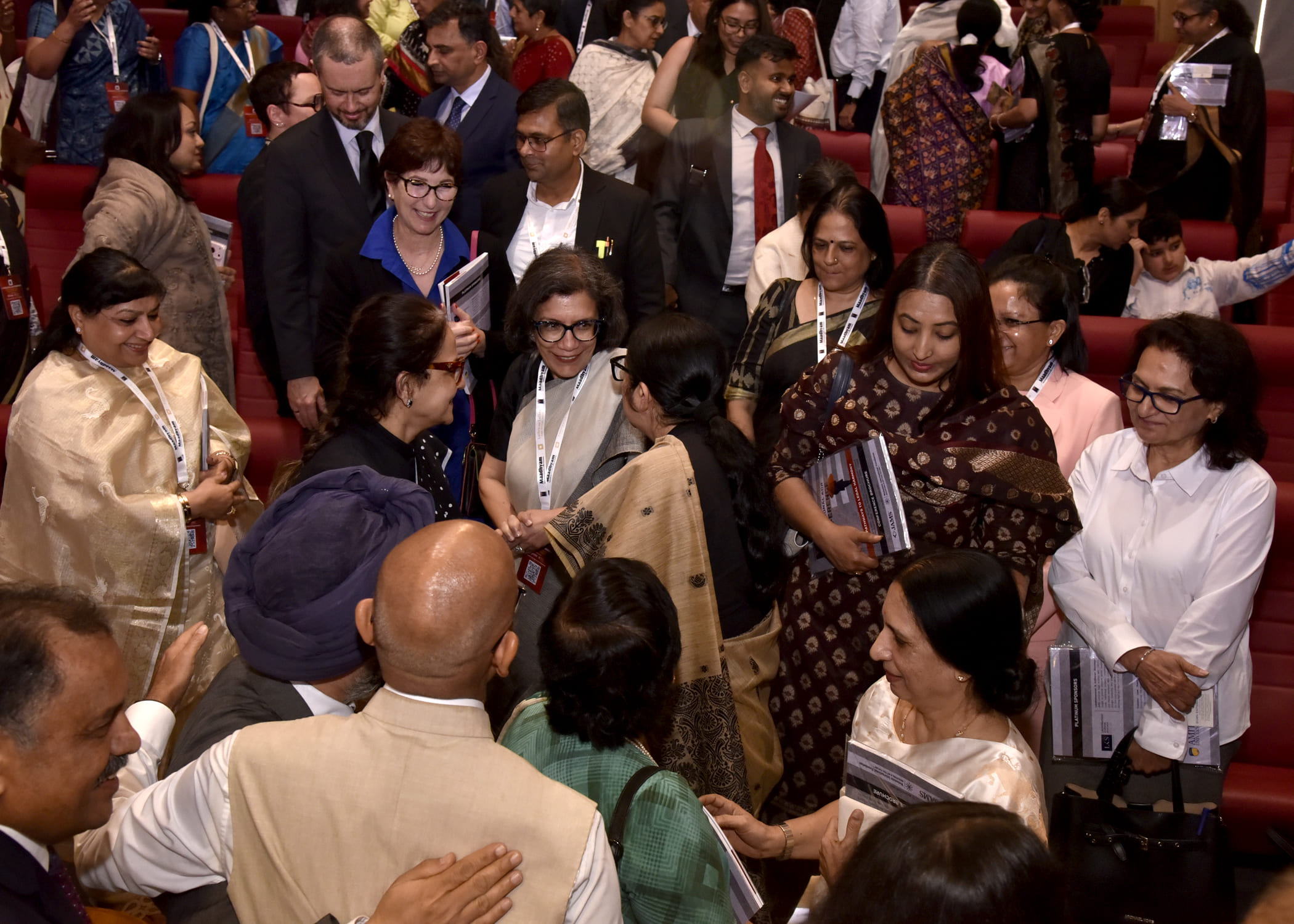
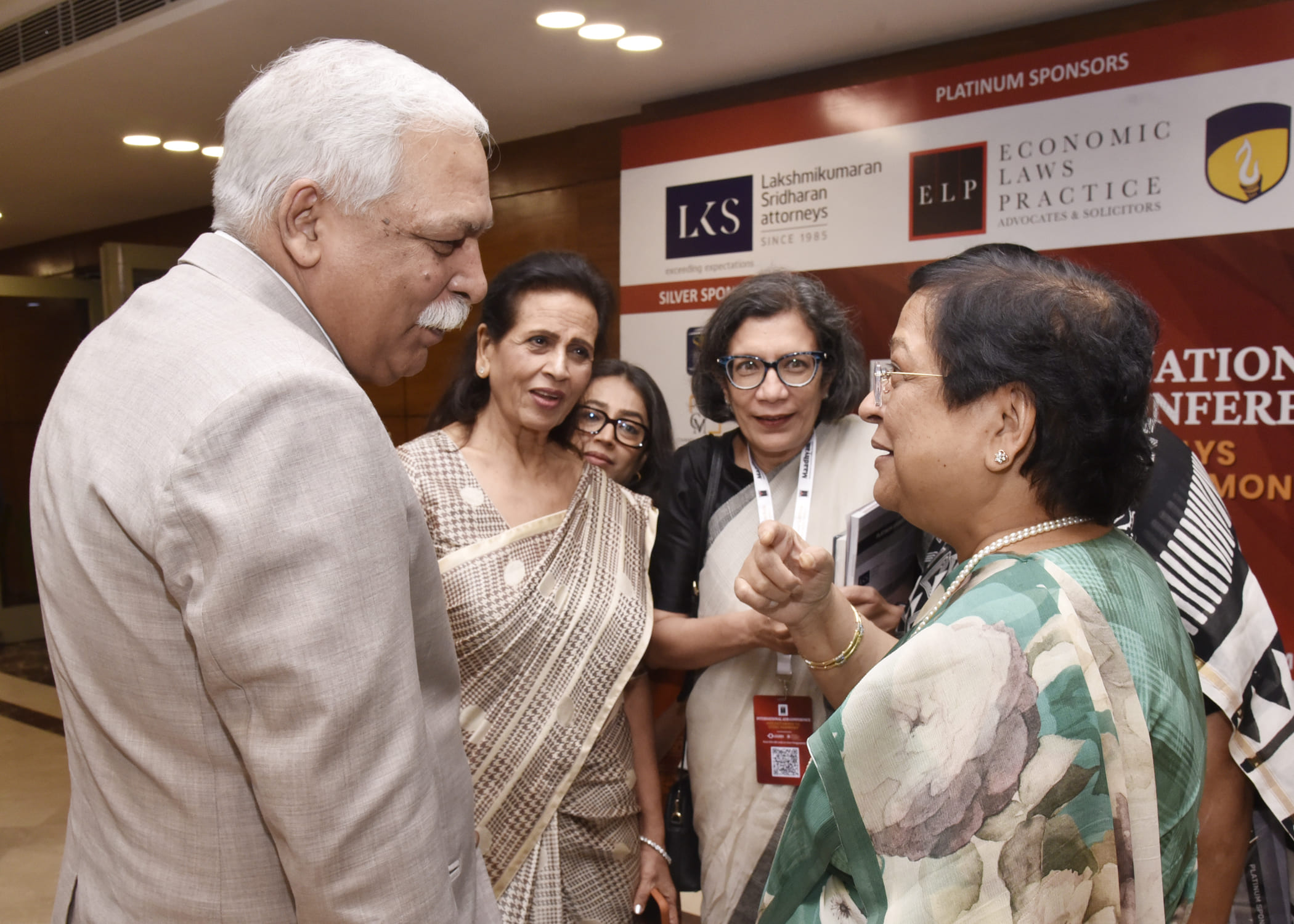
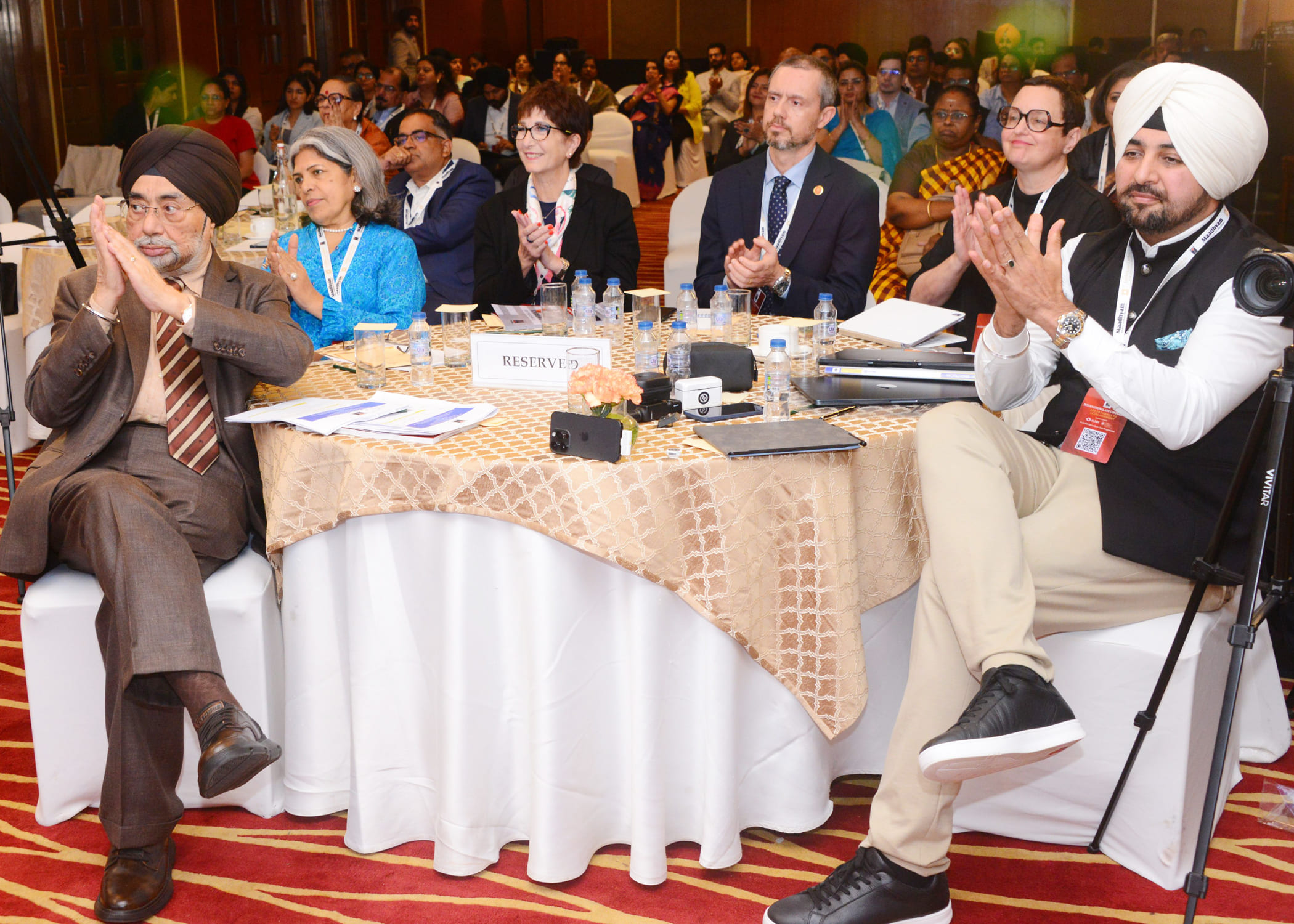
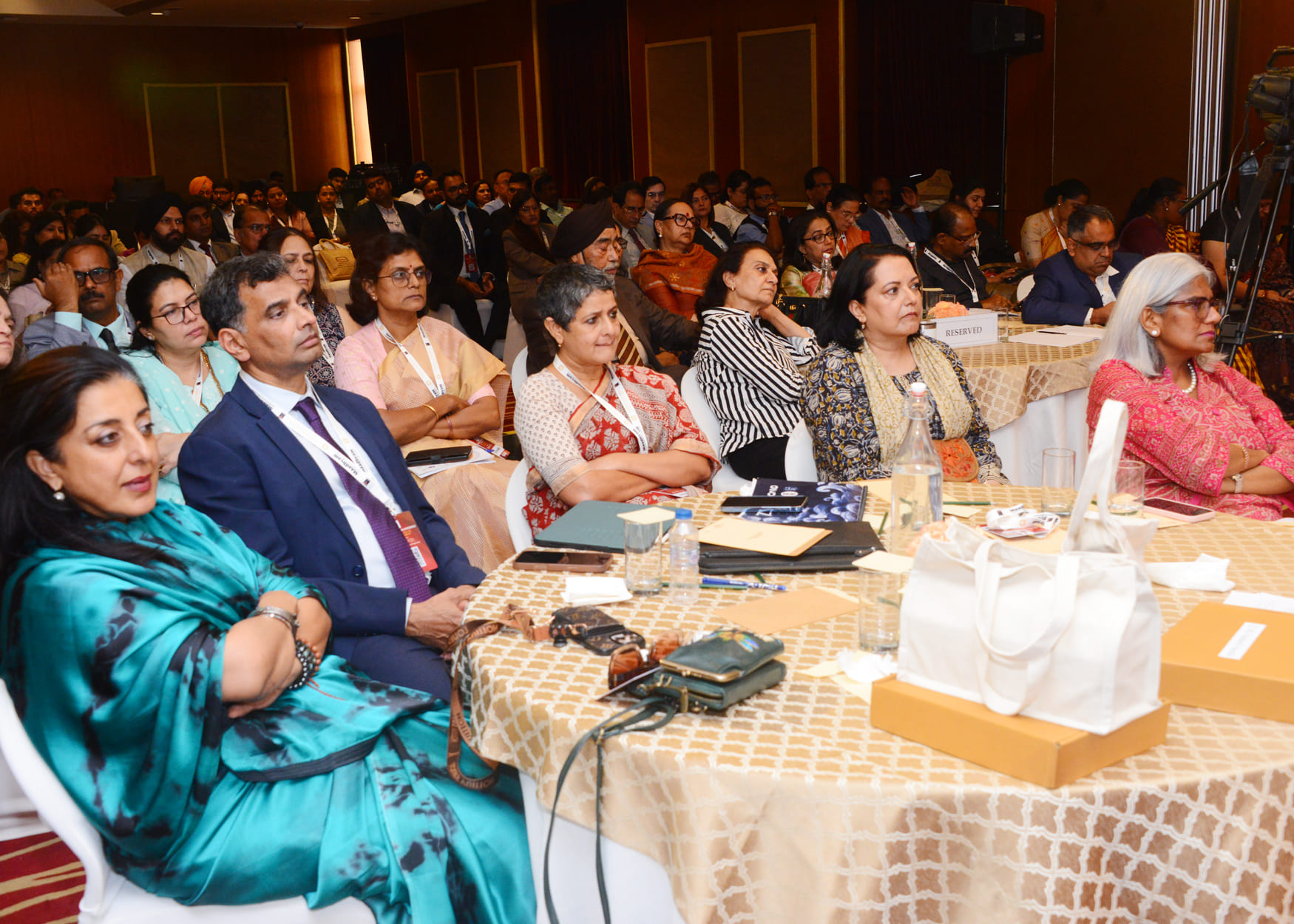
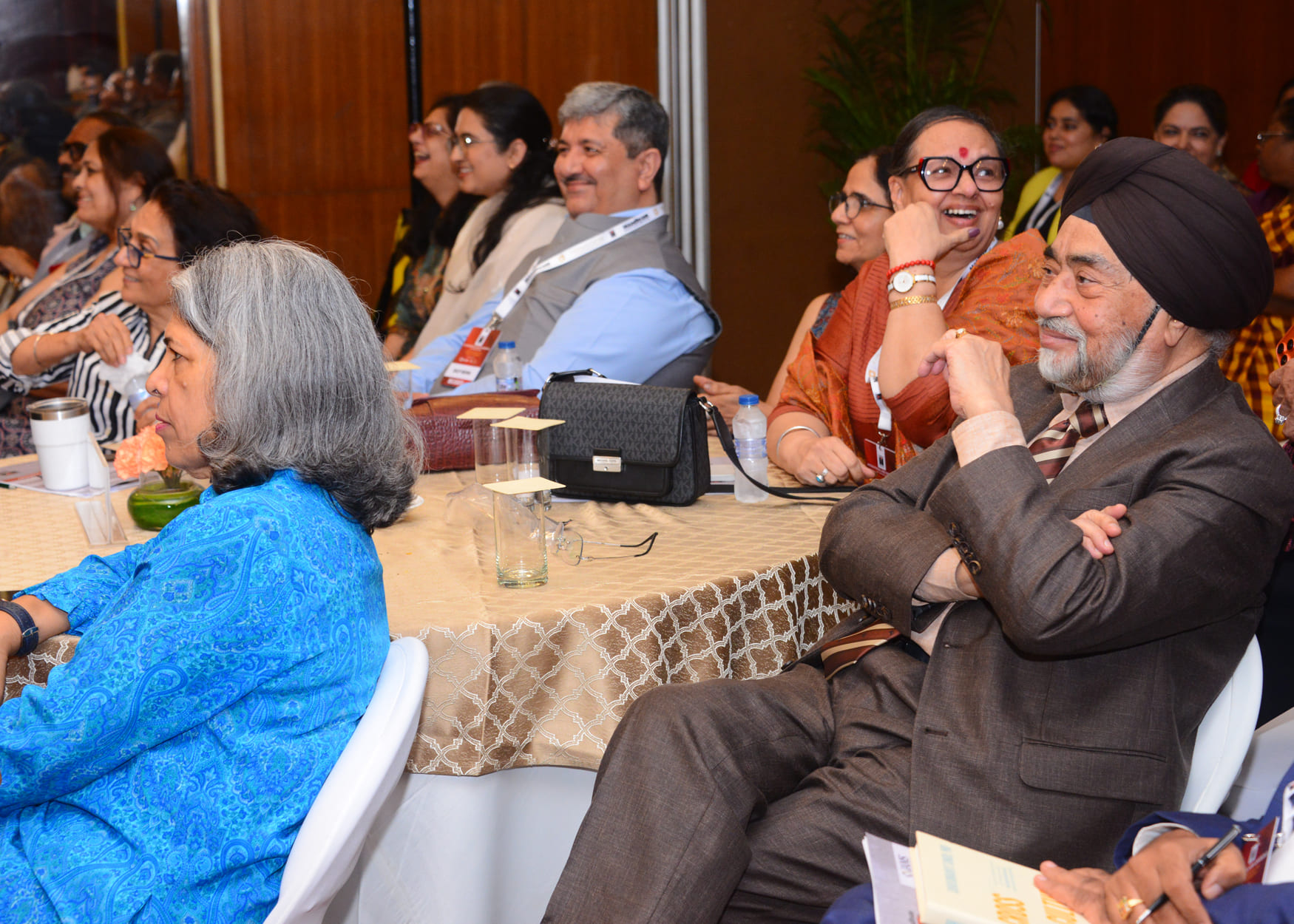
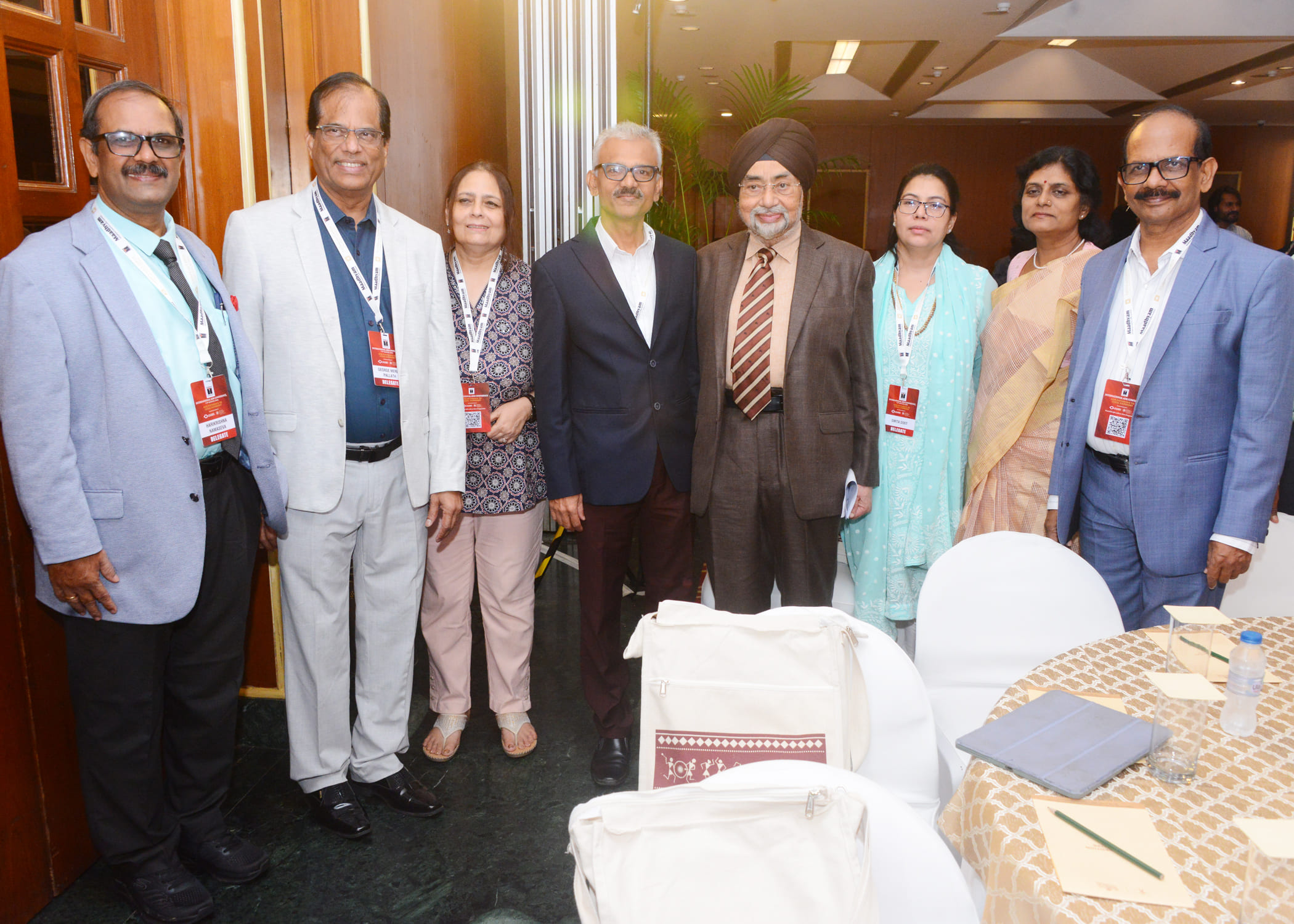
OUR DELEGATES To every delegate who joined us in New Delhi – thank you. Your presence, participation, questions and conversations gave the Conference its energy and substance. A meaningful Conference is shaped as much by those who engage from the audience as by those on the stage. You were an essential part of this shared experience.
OUR SPONSORS & SUPPORTERS Our heartfelt thanks to all our sponsors and supporters. Your trust in Maadhyam, generosity and belief in our vision enabled us to create a Conference of this scale and international character. We deeply value your partnership.
OUR MAADHYAM FAMILY Our deepest gratitude to Mr Amarjit Singh Chandhiok, President of Maadhyam for his exceptional stewardship and leadership in transforming an ambitious vision into a memorable reality. To the Maadhyam Team and Volunteers, our sincere appreciation for your dedication, commitment and tireless work behind the scenes.
TO EVERYONE WHO WAS PART OF THIS JOURNEY – THANK YOU. The Conference may have concluded, but the conversations have only begun. We look forward to building on this momentum through new ideas, meaningful collaborations, continued learning and a stronger ADR community in India and across borders. Thank you for making ADR Pathways to Legal Harmony a landmark moment in Maadhyam’s journey.